Mike
Mike reflects at length as the eldest of the four brothers on growing up at 15 Glengarry — the nightly round-table dinners and Pau Pau's kitchen magic, Sunday dinners capped by 60 Minutes, wild childhood adventures from Boston fishing trips to Wedge Pond canoeing to Nellie's rescue from the ice, and watching Vic and Mom model an affectionate, hard-fought marriage — closing with a meditation on childhood, memory, and mortality written for their 50th anniversary.
“Write your childhood memoirs.” It seems so simple.
As I gradually yet inexorably and sometimes, suddenly and painfully age, I know I write slower. Maybe it’s because my thinking, learnings, curiosity, personal leeway/leash, and judgement of how I should spend my precious time, all get either more extensive or deeper or more convicted or plain slower — leading to its own separate meta-reflection, causing more slowdown, and providing yet another example of Master Oogway’s “one often meets his destiny on the road he takes to avoid it.” Everyone aging like me should read the beautiful short story Exhalation to understand this. I’m convinced it was in part autobiographical. I cherish writing, but I also wonder if we are seeing the last of humans doing so directly, like what has happened with software development. Will we soon reminisce about those days when humans still wrote words and software by hand? Still drove cars themselves?
I’m sorry to my family, and especially Cory (tasked — voluntold? — with driving the four brothers to completion), that it has taken me so long. Please don’t think it’s disrespect. It’s the opposite: I take writing from a sneaky prompt like this a little too seriously. Childhood specifically strikes a nerve. I already spend so much time thinking about it, watching my own kids grow, change, sprout wings and evaporate, soon leaving Jane and me behind as the leftover adult empty-nesters. A parent is supposed to love their children launching successfully, scattering off into the world, like the baby spiders at the end of Charlotte’s Web.
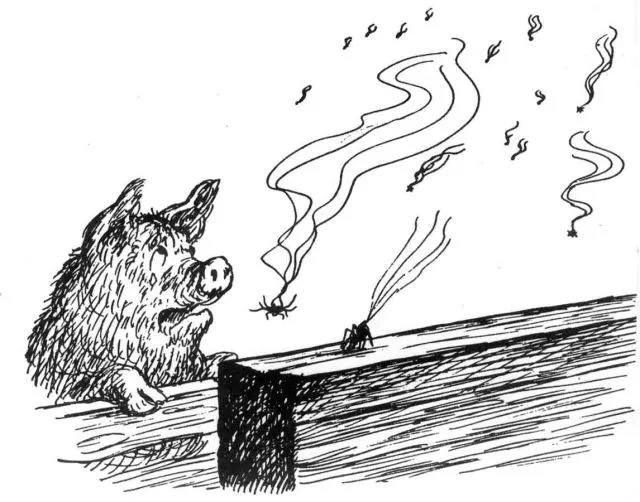
But this is also a painful loss: a child gradually withers and dies and an adult replaces them, in slow motion, forever more, and we are supposed to be happy with this one-way door? Life is a series of such one-way doors. Don’t rush through yours.
I use my commute time to iterate on hard thinky problems like this mischievous prompt. To make progress, I think back and remember my early days. Yet immediately there is a problem: will I capture what child Mike thought about his life, at the time? There is plenty there, and it is wild, remembering the thoughts behind those fresh eyes. Or, as the experienced “adult” I am now, with my own life partner, kids, siblings, nieces and nephews, all my life experience so far, reflecting back on that long-ago childhood and re-interpreting it in the broad context I now have as adult Mike? The former is straightforward: fun, nostalgic, wistful, yet uncontainable. I’ve learned that too much reflecting like that is not without risk. The latter, not so simple, yet unavoidable: I only have the one “adult” brain now. It is inevitable that this still-changing adult quietly asserts its take on that echo of a child’s memories.
The distinction matters. For example, those strange and visceral sensations I felt as a child, dreading everything and feeling helpless about it, adult Mike now recognizes clearly as depression. Those dark feelings somehow bonded themselves to specific songs. Maneater still tugs on me. So does this cover of Mad World, a rare case where the new version is better than the original, plus it has a great origin story. Diamonds and Rust can drive me to tears in seconds. When I hear these songs now, they bring back my long-ago sensations, but the now-informed adult Mike, after cutting, rehab, anti-depressants, therapy, and the surprising and bizarre free miracle cure you grow yourself in poo-dirt, knows this is flat-out depression (black dog) and has a growing toolbox and confidence to fight/cure it. The interpretations and context from those two creatures (child Mike, adult Mike) are so very different, each serving its purpose. Surely surviving depression, child Mike on his own, helped carve the reflective introvert I am now. The distinction matters.

Childhood is special precisely because it is so transient: a new little human creature constantly changing in unexpected ways, turning into “self”. This transience is a potent and continuous manifestation of our mortality, yet on the wrong end, so early in life. Watch a baby for a week and they are visibly, distinctly changed.
That change doesn’t stop. It just becomes less visible. I’m still just a kid who kept growing and is now pretending, literally right now, to be an adult. It gets me into trouble sometimes, both the statement and its underlying truth. So I “write my childhood memoirs,” devilish prompt. Thank you, Cory, for pushing me to finish. It really does cut through my ADHD lethargy. Believe it or not, I agree that perfection is the enemy of good, at least in theory, it seems. In the open source Lucene world we like to say: progress, not perfection. I’m sorry this took so long.
Round tables
I must start with our very regular family dinners, each night, 6 PM. Child Mike loved these meals, but took them for granted.
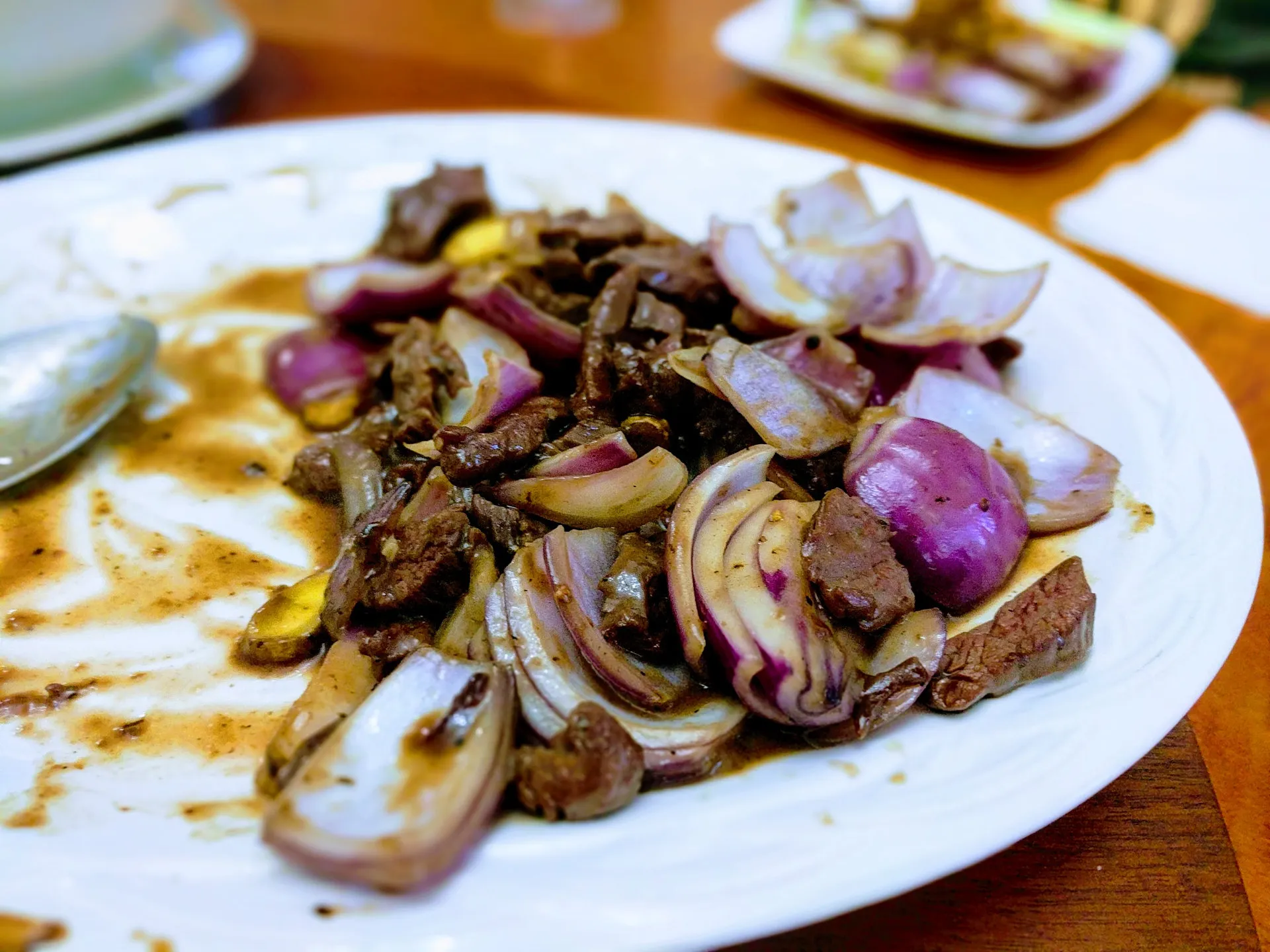
Baba cooked a fresh family-style Chinese meal every night — steamed Chilean sea bass, strange flavored chicken, Szechuan chicken, twice-cooked chili beef (SO GOOD, thus was forged my love of spicy foods), steamed eggs, bon-bon chicken, beef and onions, and so many more. Mom might make her yummy tapioca and incredible egg nog (why aren’t there other nogs?), ambrosia for dessert (my kids don’t even know what ambrosia is!), or her incredible un-replicatable beef stew.
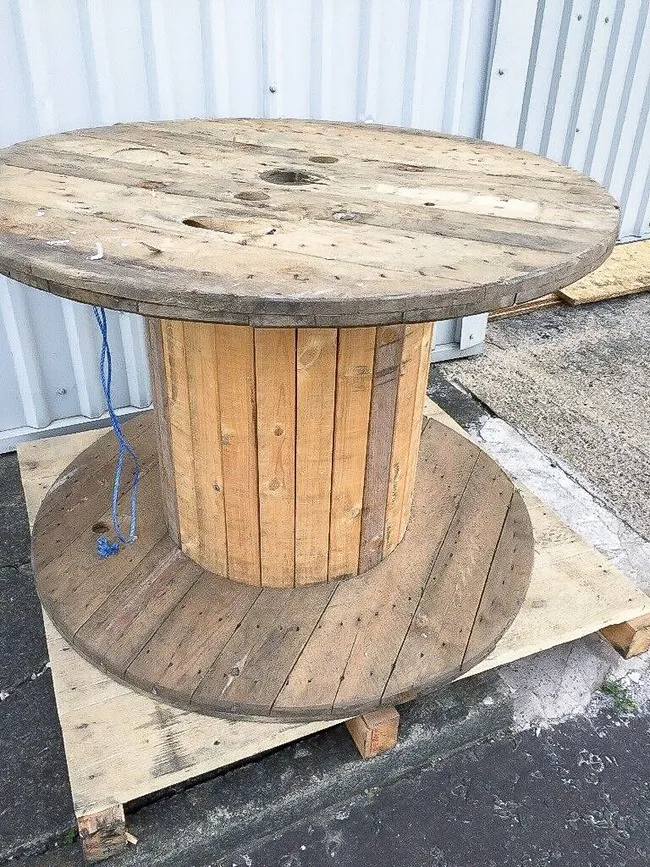
Thank you Cory for preserving these recipes (we are missing Mom’s!). We consistently ate as a family, sometimes with MIT guests, and our friends (Hank!) who were always so welcome, at our large dining room round table. Our very first round table was DIY brilliant: a giant industrial wire spool (Baba long ago explained), cut in half, lovingly stained and protected in a glossy finish. I wondered which family had the other half. Weirdly, I remember this odd nervous tick from Uncle Geoff (he would periodically visit, which was fun): holding one chopstick vertically, he would bang on the top with his palm to knock out little pieces of wood filler from the gaps in the spool. I remember Baba asking him to stop and feeling super awkward myself at the long pause that caused! Later tables were of course round, but both more expensive and not nearly as good or distinctive.
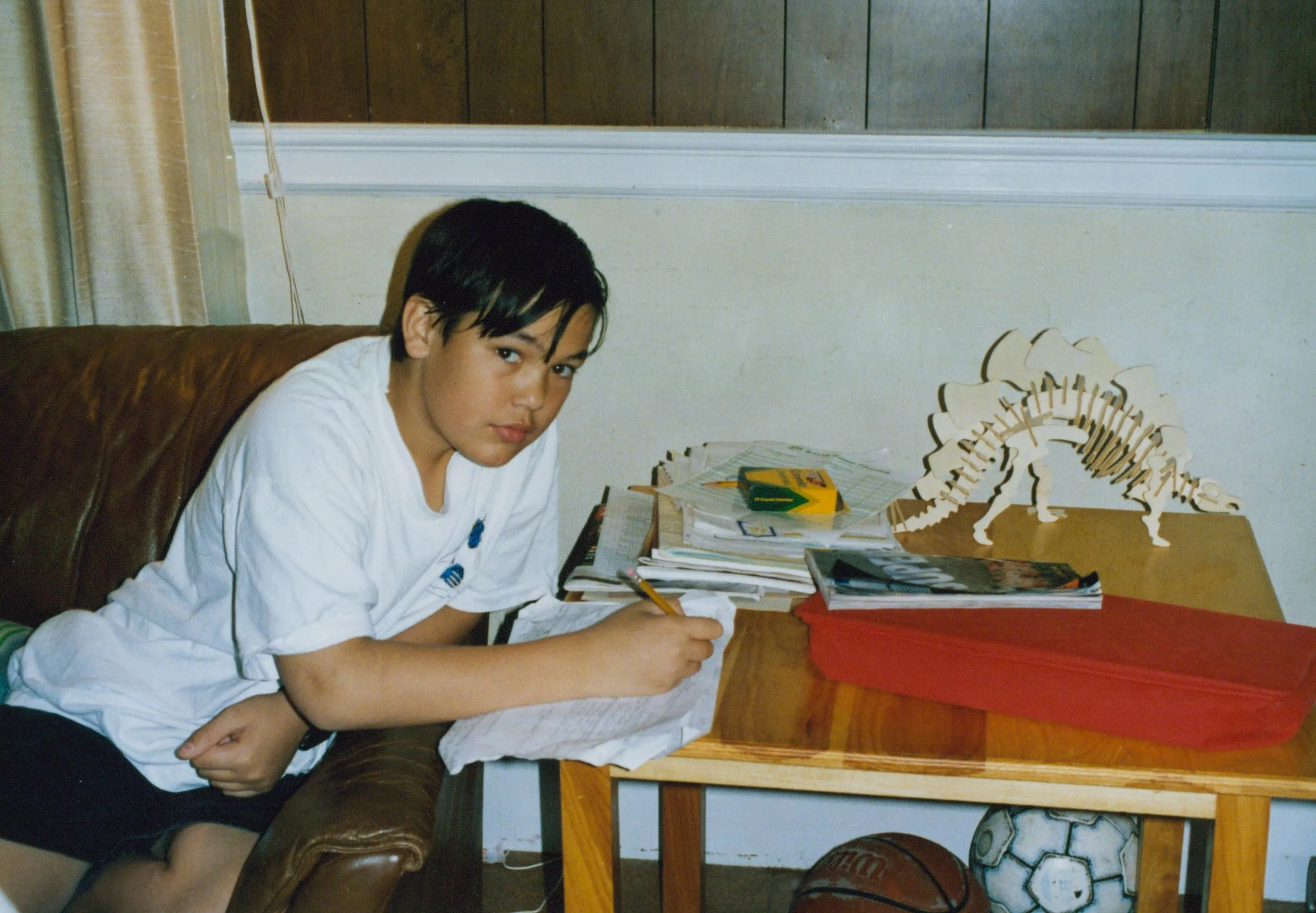
Young Cory would drink a massive glass of milk, explicitly choosing that for himself each night over sugary juice or soda (I was impressed back then, each night. Cory makes good choices when faced with temptation!). He was adorably chubby (look at him now — the opposite — too skinny from so much running and thinking and AI-stressing). Our regular meals were how I learned to use chopsticks for everything, since Mom and Baba ate that way. They are super helpful for eating chips. This is also how I learned to always expect to share food “family style” — some of my co-workers don’t even know what that means!
Vic had a clear rule: we sit down, at the round table, at the same time, every night as a family, and no interruptions allowed. He enforced this rule! (a rule not enforced is erasing itself). If the phone (there was only “the” one land-line phone in those days) ever rang, Vic would first gaze at us kids, wondering whose friend broke that rule (somehow spam calling just wasn’t a thing back then). Then he would get up from the dinner table, walk over to it (next to the 1st floor bathroom — eventually we got a “cordless” phone, which was freeing but forever uncharged), answer it and patiently remind that person that we are eating dinner now and they shouldn’t interrupt. All our friends quickly learned this rule. When those friends ate over, they also told their friends/parents the rule!
Wherever we ate out, Vic always sought round tables. Indeed I think he picked only those restaurants that had round tables (causality, co-occurrence, correlation?). Long ago he explained: the symmetry means everyone shares one conversation face to face. It’s just like the food — family style — applied to our discussions too! Our regulars were China Pearl dim sum in Boston, Royal East and Mary Chung’s in Cambridge (only China Pearl remains today), and we would somehow always find a round table available.
Every time, shortly after we arrived, the owner would come out to chat with Baba, who he was somehow, magically, always long-term good friends with. How did that happen (adult Mike)? How did the owner know we were there, and know Baba so well? I took those special owner-connections for granted, but eventually realized no other diners were ever talking to the owner, and that the owner must be quite lonely. This was a unique Baba thing: he patiently builds sincere, long-term personal connections wherever he goes, professionally and personally. This includes his barber, massage therapist, the owners of La Patisserie bakery, his students and peers at MIT, exotic sites on Cape Cod for conferences, our friends, flight crew on his regular flights, desk person and janitors at MIT, and many more. This same personal connection skill surely drove his professional successes too. He suggested we kids read Dale Carnegie’s How to Win Friends and Influence People (we did!), and taught us “diplomacy is the art of letting others have your way” though I never learned exactly how. What other books did Vic learn from? I wish more of us would make such personal connections. The world seems instead to be moving in the opposite direction.
Pau Pau on the 3rd floor
Pau Pau lived with us early on, for so many years, and she was so so tiny: I was at least 1 ½ feet taller! Every morning before school I would hear her unique sound of shuffling slippers, and creaking wood, gradually working her way down from the 3rd floor all the way to the kitchen. Gung Gung wouldn’t be far behind, similar shuffling sound. He would quietly sit in the living room reading Chinese newspapers, seemingly all day, in the same spot when I left and returned from school — I’m not even sure he ever took “bio breaks.” Adult Mike has so many questions about Gung Gung: Did he ever leave that chair? Did he go out? Who did he talk to about the surely difficult news he was reading? Did he read books too?
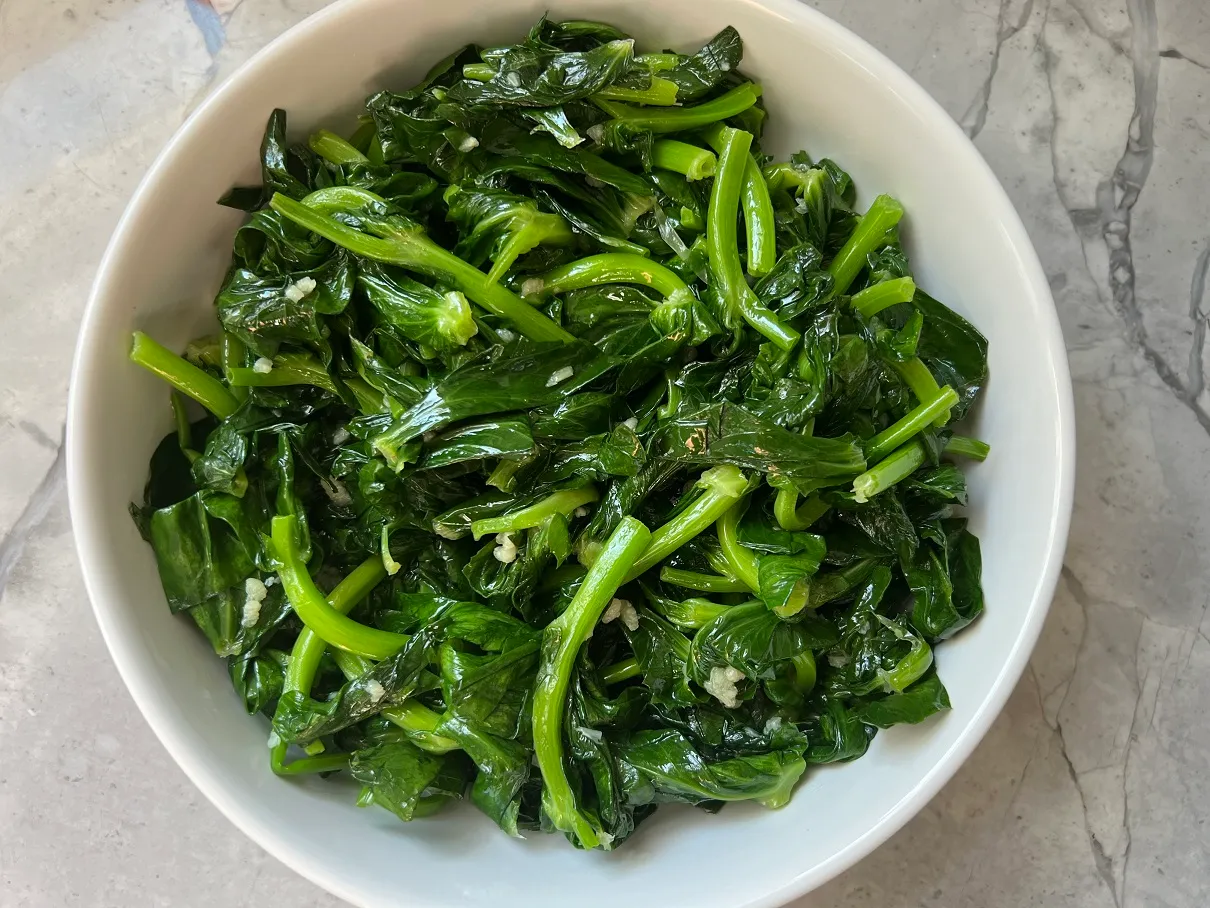
Pau Pau owned the kitchen, all day, except at dinner, when she and Baba would “share” their cooking toys. She would consistently cook yummy snacks, ready for us at breakfast and again right after school. My friends would come straight to my house for these treats: little English-muffin pizzas, Cong You Bing (蔥油餅 — scallion pancakes), Mantou/Baozi, her famous slightly-stir-fried lettuce (I’ve never had this dish anywhere else, I don’t know its name, oh I miss it and Pau Pau now — I asked Jane if she could make it, and she just did, but with Romaine lettuce not Iceberg, not the same!). She delighted in feeding us, adult Mike can see (child Mike was simply delighted to eat). It was adorable: she was so animated, always with a big bright smile, often speaking to us in fast Mandarin, which she knew we mostly didn’t understand, teaching us vital food words so we would never starve if we suddenly found ourselves in Mandarin-speaking mainland China.
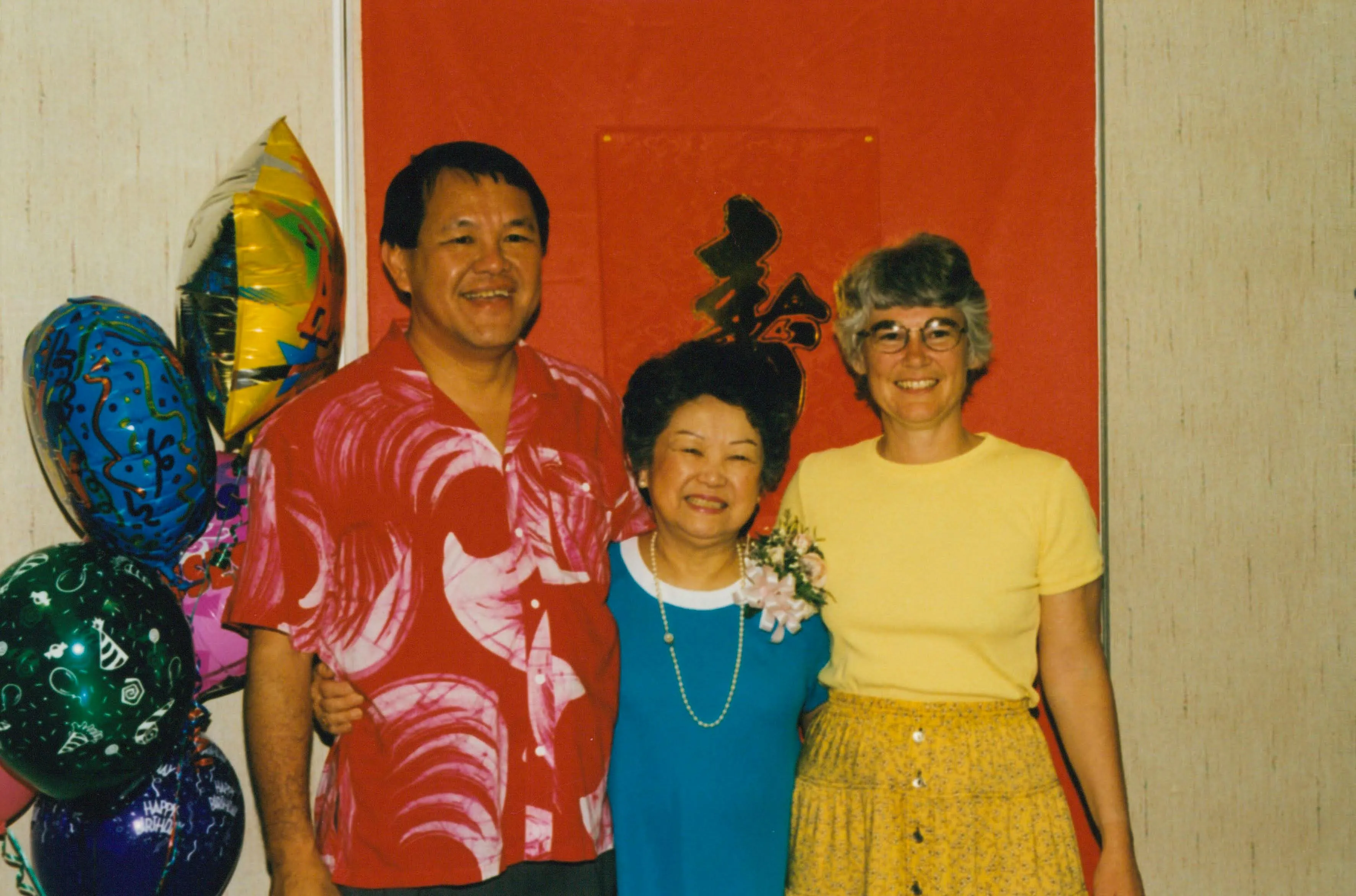
Incredibly, Mom taught herself fluent Mandarin, writing (traditional characters!?) and speaking, from thick books (!), practicing live with Baba and Pau Pau. Remember this is pre-internet (and for you digital-native gen-Z and younger ones, attempt to imagine if you can): there were no sites/apps to teach you, no online class. Adult Mike is in awe of this accomplishment, and what expression of love it was from Mom for Baba, to so studiously learn his native language. Sometimes when I bring my family to Dim Sum, and I’m the one ordering (if Jane is somehow late, rare!, or she is off finding a waiter to special-order 大豆苗 / dà dòumiáo / “snow pea leaves”), my Mandarin Chinese pronunciation of just those specific food words, and probably also my boss-level chopstick skills, even on jello, startles the “aunties” and they suddenly start speaking back to me in fluent Cantonese (I think!?) and I sadly have to hold my fingers up close together and say 點點 (yī diǎn diǎn) — “little bit”, which confuses them, because I also pronounce that quite well!
Occasionally, seemingly randomly, Pau Pau would create more exotic, ambitious dishes that took hours or days. Her savory curry beef jerky was a multi-day affair. You could smell that slightly spicy curry flavor through the whole house, for days, as she used the oven as a dehydrator (I think — adult Mike speculation). It pulled us back to the kitchen often to see if Pau Pau needed tasters. Then, finally, she’d give us those perfect bite-sized rectangles, the same size as the classic Andes chocolate mints. I can still smell and taste this flavor today even though nothing I’ve had since comes close (and I’ve tasted many jerkies!). Then one day, one time only that I can remember, she decided to smoke a duck.
I still have this vivid photographic image seared into my memory, coming home after school, seeing thick, fast flowing smoke immediately throughout the house as I cautiously came in. I found Pau Pau with extra-long chopsticks (where did THOSE come from?) lifting the wok cover and poking at its hidden contents. The wok was in its usual place (front left burner) on our gas stove, but it was now sitting on some special under-wok-smoke-enhancing-device I didn’t know existed let alone that we owned one nor that Pau Pau could wield it!
She was so confident! Like it was just another dish to cook, another normal day in the kitchen. Of course, child Mike accepted this was a normal, if odd, Pau Pau cooking skill, but adult Mike is still in awe: in my 56 (ugh) years I have never seen anything like it! She had this intense focus, hovering around the wok, apparently immune to heavy smoke and not needing to breathe. I watched, mesmerized, for a long time, seriously thinking this is how our house burns down and where are the fire extinguishers (there were none). Here and there she would shove some more wood chips, rice, magical ingredients into the wok and lift the over-wok to add ingredients and reorganize, tweak the burner. The smoke would then redouble, billowing out and flowing on the ceiling like a fluffy upside-down river, wafting out the many windows I had by now rushed to open. I didn’t even know what she was cooking/smoking until the very end, when she pulled out a well-smoked duck which we then devoured! I’ve had this dish just that one time. How come our neighbors didn’t call 911. Was this just normal to them? Did everyone have a Pau Pau who sometimes randomly smoked things indoors? It felt like voodoo magic to me. Pau Pau didn’t speak much English, and I spoke even less Mandarin, so we couldn’t talk directly, but her unconditional love came straight through her cooking, loud and clear, no translation needed.
We are slowly losing this art of older generations pouring their love into passionately cooking such unique meals, and so consistently eating meals together, talking and sharing as a family. Vic and Pau Pau would sometimes fight in the kitchen, shouting in fast Mandarin I could not understand, disagreeing (I think) over precise cooking dishes, methods, tools, ingredients, while attempting to share their toys. Such abundant emotion so easily transcends language barriers. Yet out of this Chinese mother/son volcano would come ineffably delicious meals, each night. Watching Jane and her Mom also clash with kitchen rage, I have since concluded this is somehow normal for Chinese families.
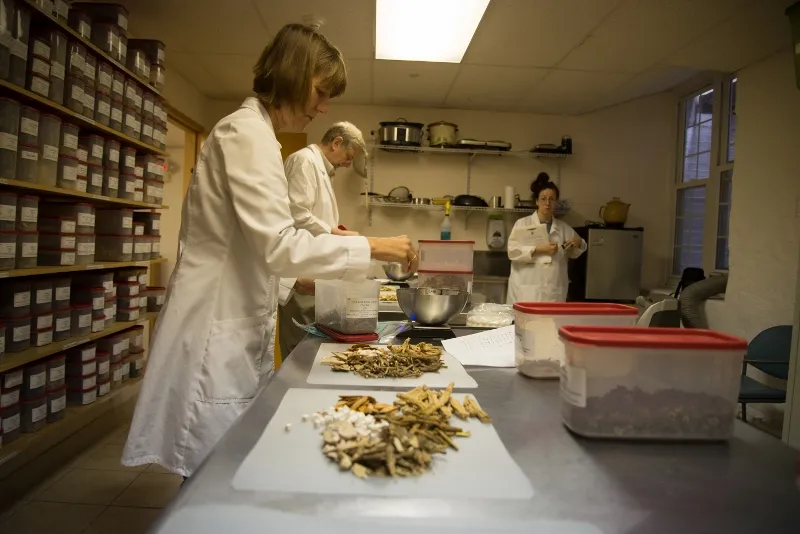
I remember Baba had bad springtime allergies, and he would sort of rub/wipe/squeeze his nose quickly back and forth in this funny squeaky almost musical manner. When it was bad, we would sometimes go to a Chinese herbal medicine store after China Pearl dim sum. This was a magical place — Baba brought a written list, in Chinese, of exotic ingredients (where did he get this “prescription” from? Did Pau Pau write them from memory?) which the person behind the counter would quickly pull out of the thousands of little wooden drawers behind her and wrap in brown paper packets. Pau Pau would boil this brew down all day — the smell was so curiously unique, sharp and intense — to a magical super concentrated broth which Vic would then suddenly chug in one gulp with no reaction! Incredibly, over a few years, this eventually cured his allergies, quietly accomplishing something Western “medicine” is still unable to do today.
The wok (well, sometimes also the multi-layered, stackable steamer, for fish, or eggs/pork) was the centerpiece of all our cooking. Child Mike thought everyone naturally cooked everything in woks. We were specifically not supposed to clean it very well, so it kept its “flavor.” I remember one time I did (only the one time!).
Sunday dinners
Victor was impeccable and picturesque in the kitchen, always cooking with his long red chef’s apron. The final dishes were delectable works of art that we devoured like locusts. He would carefully shop and prepare all the ingredients and sauces, lined out in a row to optimize the cooking → serving → eating process, always in the awesome, sizzling wok. He spent most of the meal cooking and bringing out each incredible dish, through the swinging door separating our kitchen and dining room, which we savored, joining us only towards the end, when we (most of the time!) saved some of each dish for him.
He was so observant of each of our particular tastes, watching what we ate (“actions speak louder than words”). I eventually realized over time that he would quietly tweak each dish — switching to pure breast meat chicken for me (thank you!!), swapping entire dishes out, so often cooking that time-consuming twice-cooked chili beef for me (Cory, where is that recipe!), remembering our friends’ tastes too. He was remarkably and quietly attentive, and made it look so simple and seamless.
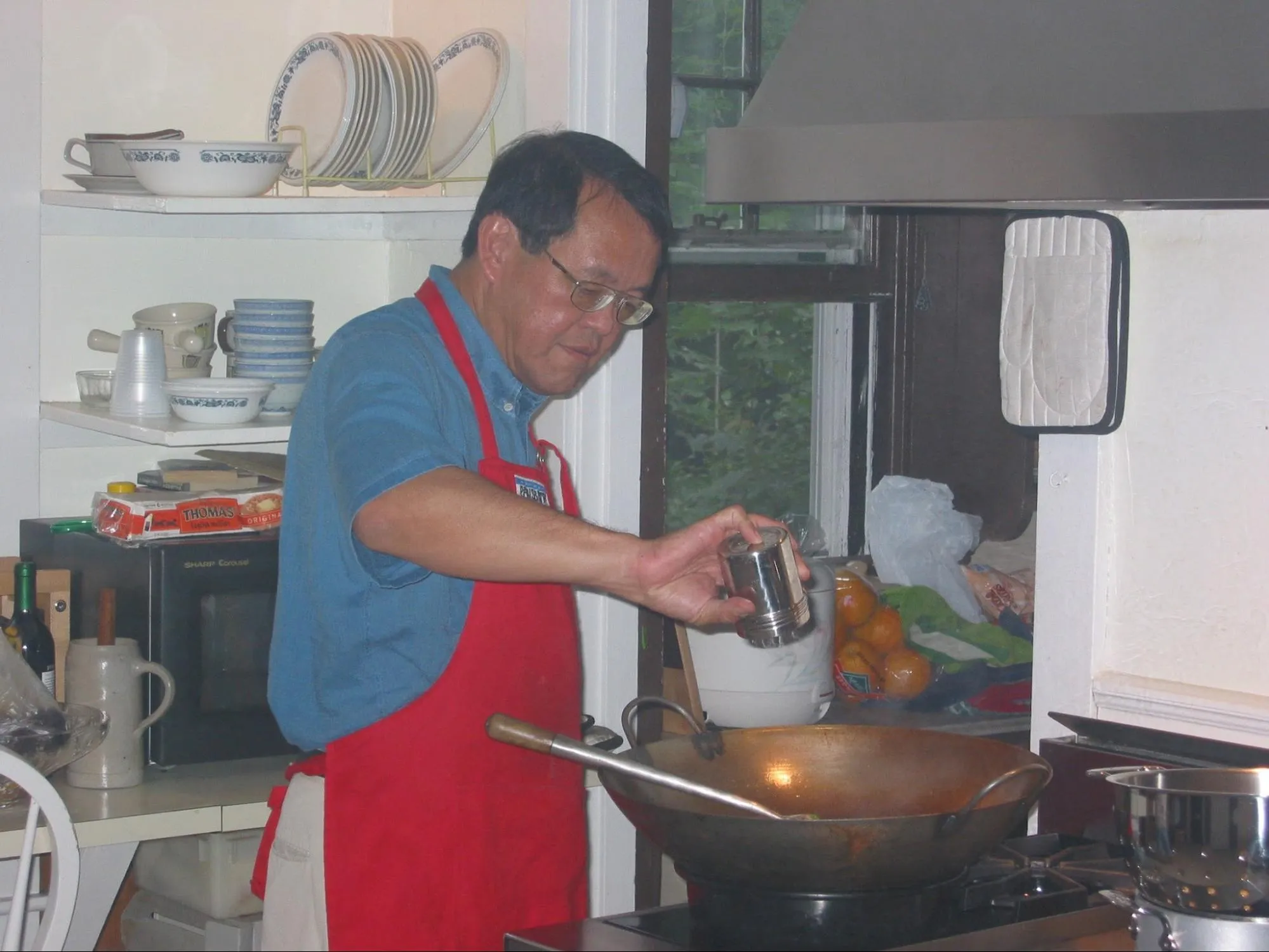
In hindsight, this was such intense, long-term, never-ending work. Where did Pau Pau’s and Baba’s well-spring of cooking energy come from, meal after meal, decade after decade, while also running an entire Lab at MIT, stressing about tenureship, never “working from home” (not a thing back then, no internet!)!? Jane has the same drive. I know it is their pure love language of food, and I’m so lucky to be surrounded by food-love-language family, but I also love my family yet cannot cook at all like this!
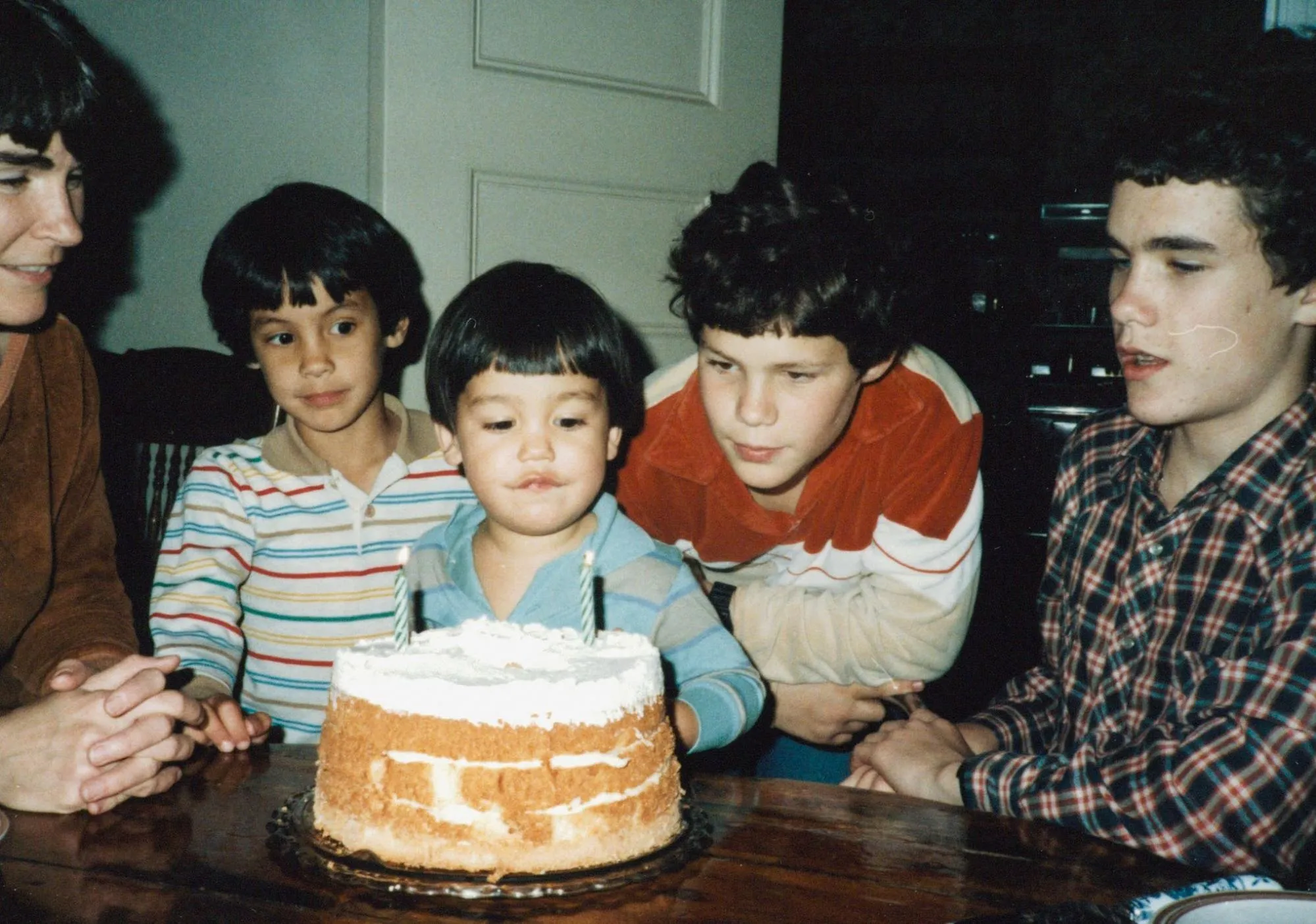
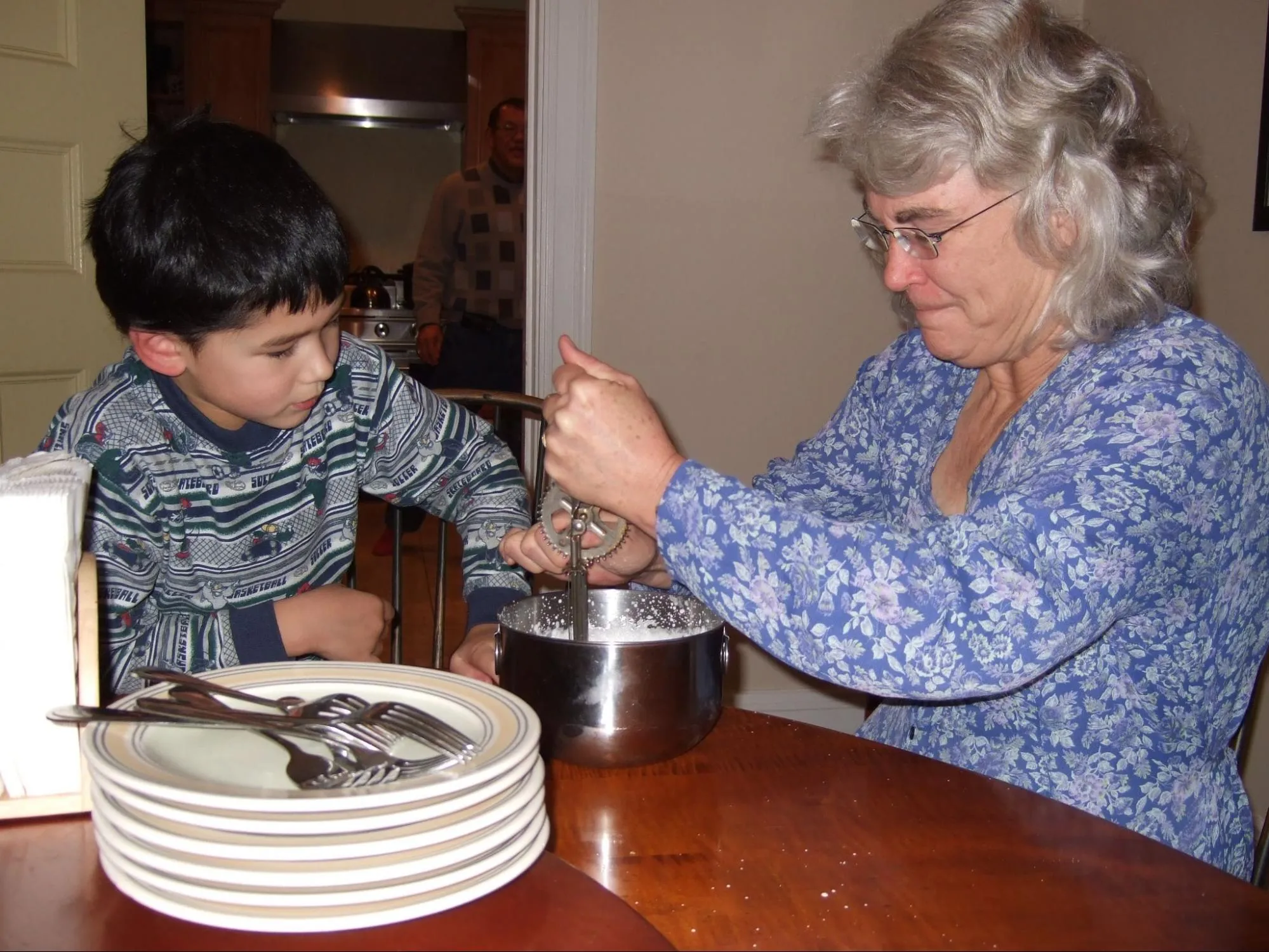
Sunday dinners in particular were extra special. We kids (Greg and I, and eventually also Soma and Jane, at MIT) would come home too, keeping the tradition going — through undergrad and grad school at MIT. This was our best meal of the week. We would often celebrate birthdays: Mom and Vic would bake a fluffy “Russian Tea Cake,” all egg whites (where did the yolks go? we could have made Michelle’s incredible Crème brûlée!) then carefully sliced into layers, then carefully interleaved with delicious custard, covered with Mom’s incredible hand-whipped cream, and the lucky raw spaghetti to hold it all together (still, sometimes they tilted/slid apart). This recipe is missing, Cory! My kids remember going to 15 Glengarry and experiencing Pau Pau’s turbo-wrist cream-whipping using antique egg beaters (Mom hates electric blenders and electric car windows and probably electric other-things?). We were and are all in awe of how fast she can spin her hand with those.
After each Sunday dinner we would always watch 60 Minutes “live” — tick tick tick tick — and discuss the tough topics they covered. (Aside: Marcel the Shell with Shoes On is a touching 60-Minutes-related movie — featuring Lesley Stalh!) Vic seeded our discussion if we were too quiet, playing devil’s advocate, teaching us critical thinking. Back then there were only “live” or “reruns,” no streaming, just imagine… imagine there’s no streaming, it isn’t hard to do, …
In the winter we would make roaring fires in the fireplace. I loved sitting by the fire, stoking it, watching it transmute into embers, testing what various things would do (burn? melt? pop? glow? explode?). I (adult Mike) wonder how child Mike avoided burning the house down. Eventually we would go to bed, always with “明天見,我愛你” (míngtiān jiàn, wǒ ài nǐ — “see you tomorrow, I love you”).
It’s only in hindsight that I (adult Mike) treasure such consistently shared family meals, gifting us a regular forum to share our wins, learnings, setbacks, cementing our forever-bonds as a family. It was the skeletal structure, the reliable tradition, that defined my childhood. I just assumed it was a normal family cadence. It is inexplicable how Mom and Baba achieved this despite their demanding, intense, change the world work-passion. My family could never consistently replicate it, with our kids’ heavily scheduled activities, and I miss it.
The wild normal
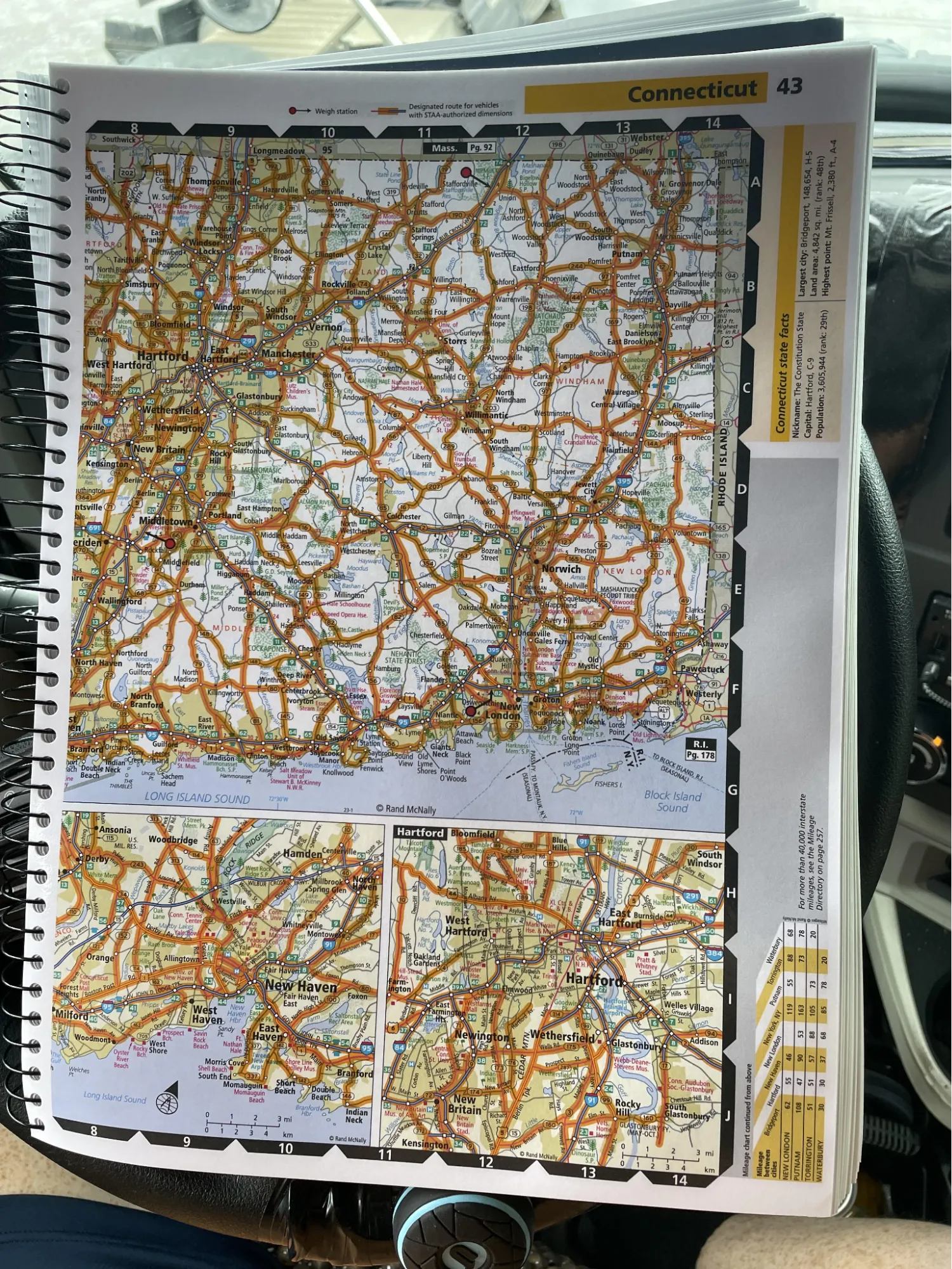
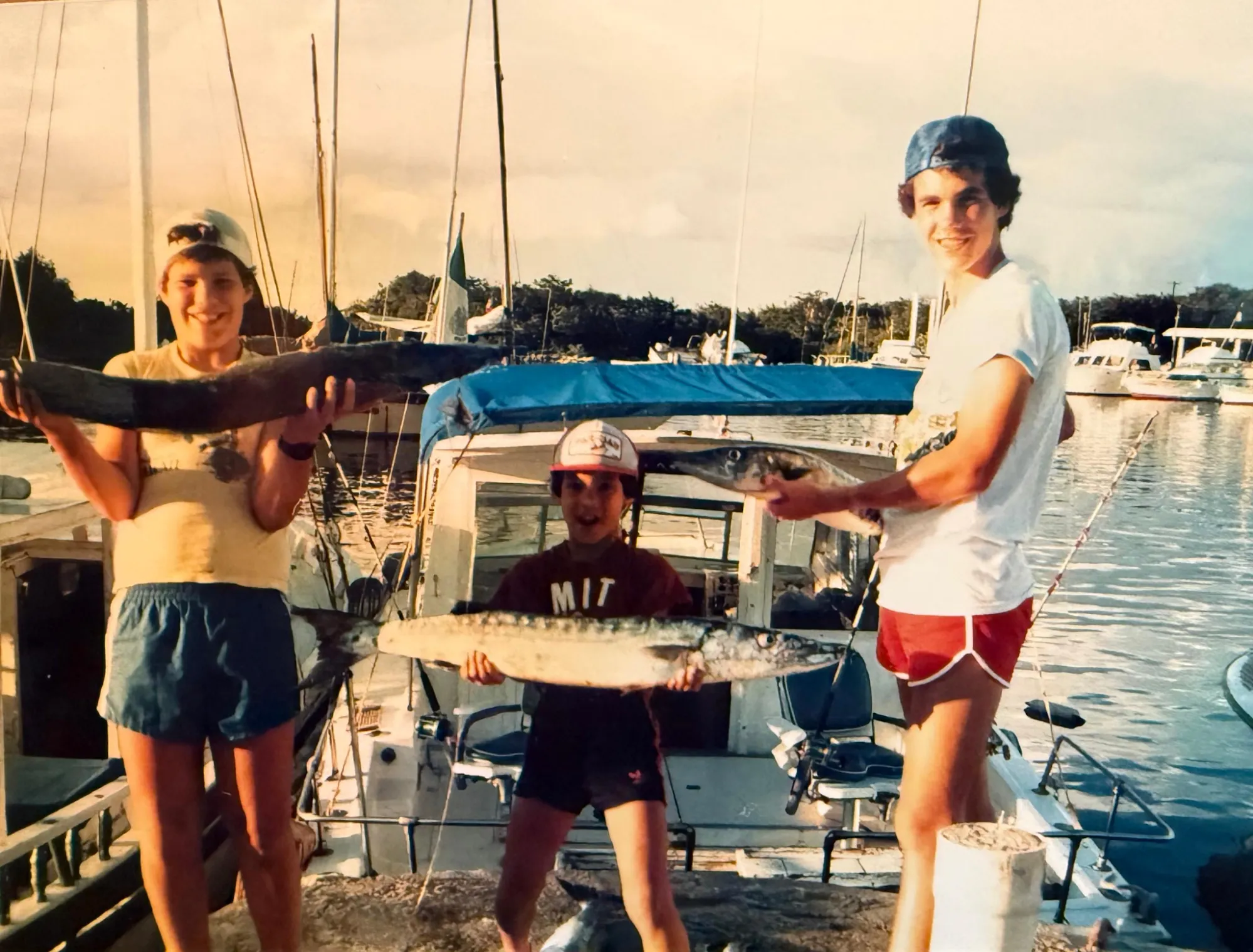
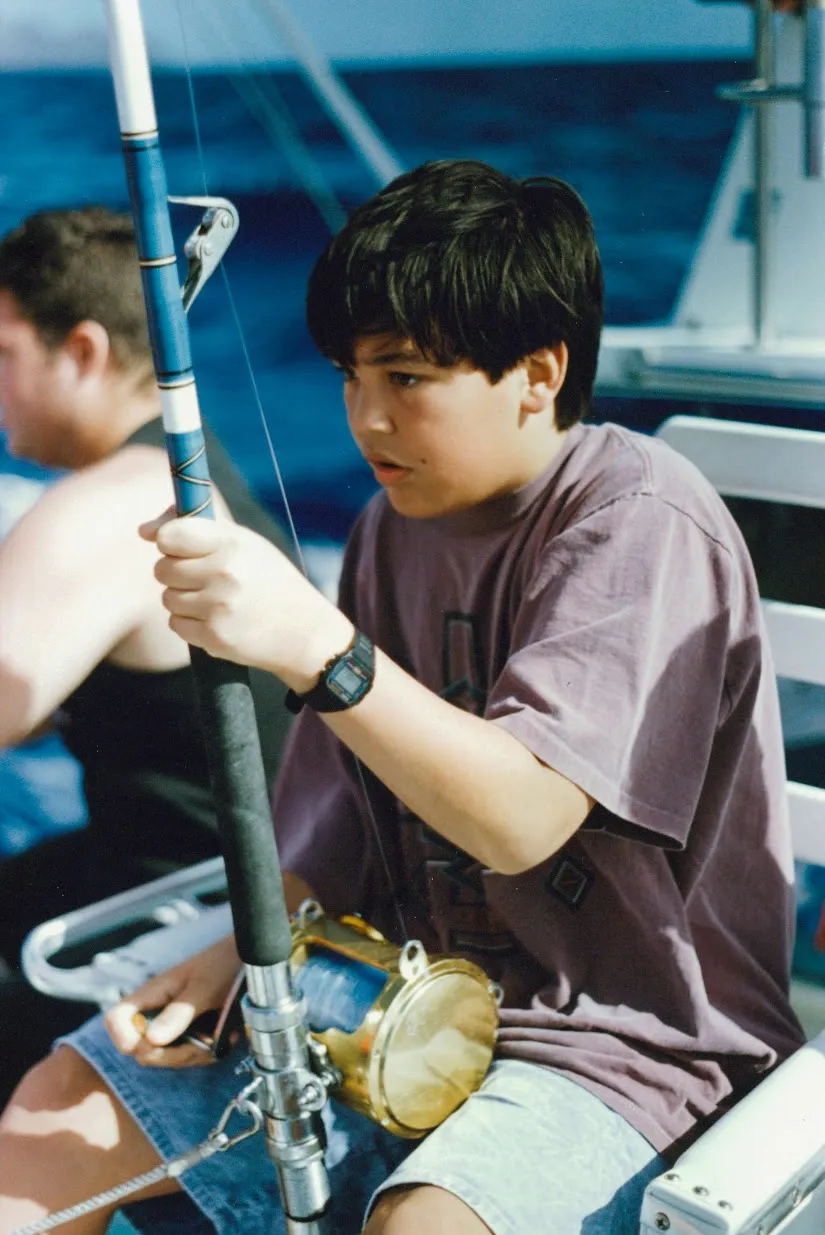
I remember our early fishing trips! Sometimes flounder fishing, sometimes deep-sea fishing (oh my god the size of those cod and haddock, and horrors if you reeled up a wolf-eel — trust me, it is well named — or a shark, even one time a hungry octopus). We took so many trips with Vic, Greg, and me, an all day affair on a Sat or Sun. We would wake up ungodly early, in the dark (this habit has stuck with me — I’m consistently a morning dove (not to be confused with the mourning dove with its distinctive call) now — 3 AM today! — and this was critical in the spark that connected Jane and me), quickly and quietly (don’t wake Mom) jump in the car and drive ~45 minutes to the right “wharf”.
Somehow Vic knew the way!? No Google Maps! No cell phones! Only paper maps, horrifying. We would buy giant Bill & Bob’s roast beef sandwiches the night before, food for the humans (Hank and I still reconnect periodically at the local Woburn Bill & Bob’s). Next stop we would buy food for the fishies: truly alien-like worms, alive but initially cold and lethargic, with a mouth that turns inside out and pinches you (!!).
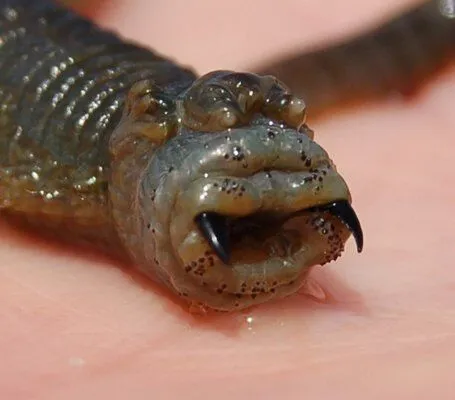
Let’s pause here. This is a perfect example of how as impressionable kids, not knowing any better, we just magically accept our family experiences as “normal” — our initial baseline for “ok, this is just what life is for humans, I better play along.” Somehow this alien-like worm that turned its head inside out, revealing sharp black fang-tusks targeting your finger, was just a normal thing that happens when you go fishing. You shrug and move on, cautiously sticking your fingers into a nest of these things hiding in seaweed in a brown paper box, getting more and more animated as their box warms up, to pull one out.
Same deal with the wolf-eel, or heck, the sea robin! Only as you age and have wider experiences can you (adult Mike) reflect back to childhood and think: WTaF, that was off the charts batshit crazy. The diversity of life on this fragile planet is preposterous, yet we take it for granted. If only we could find just one more planet with life.
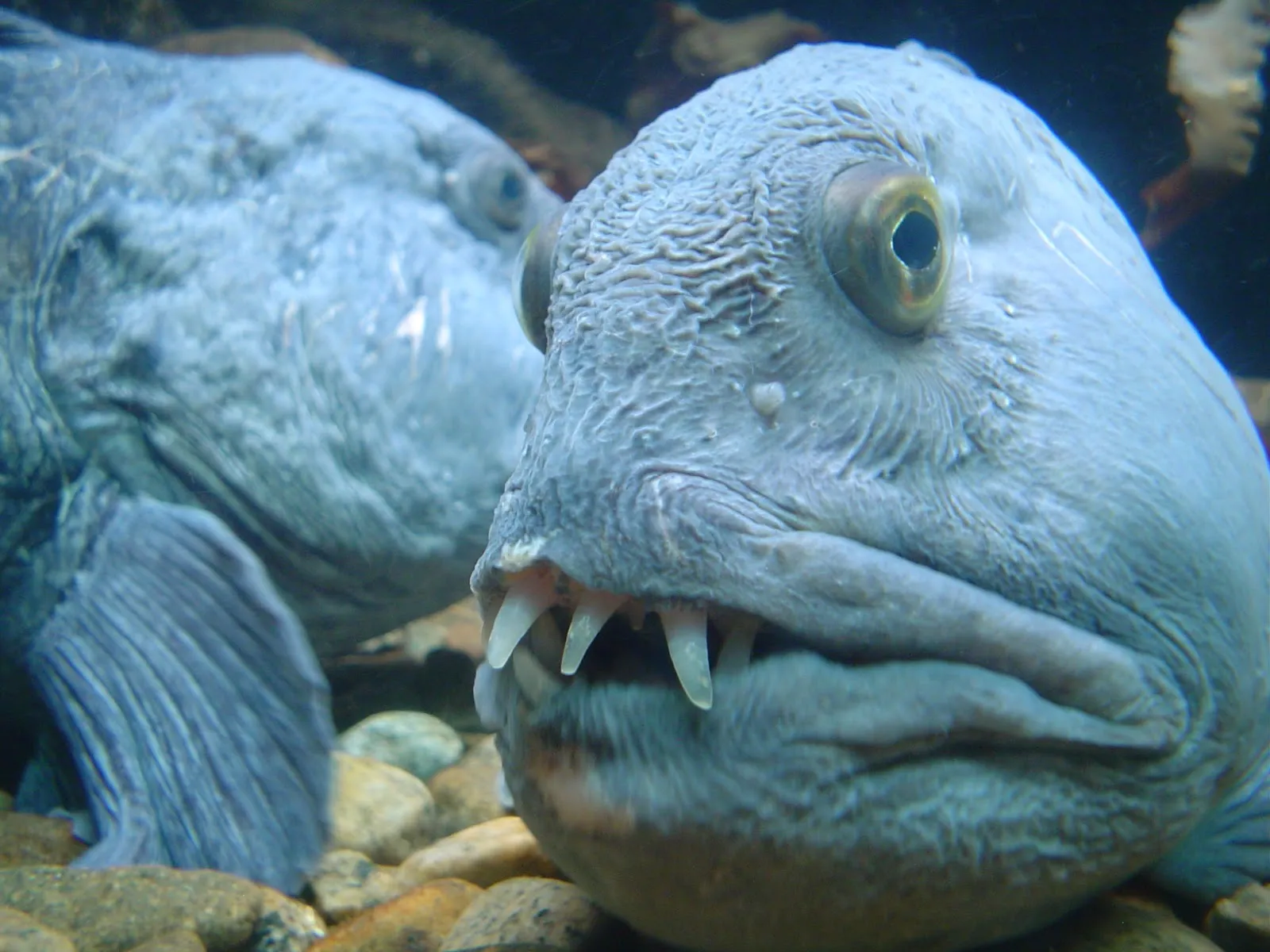
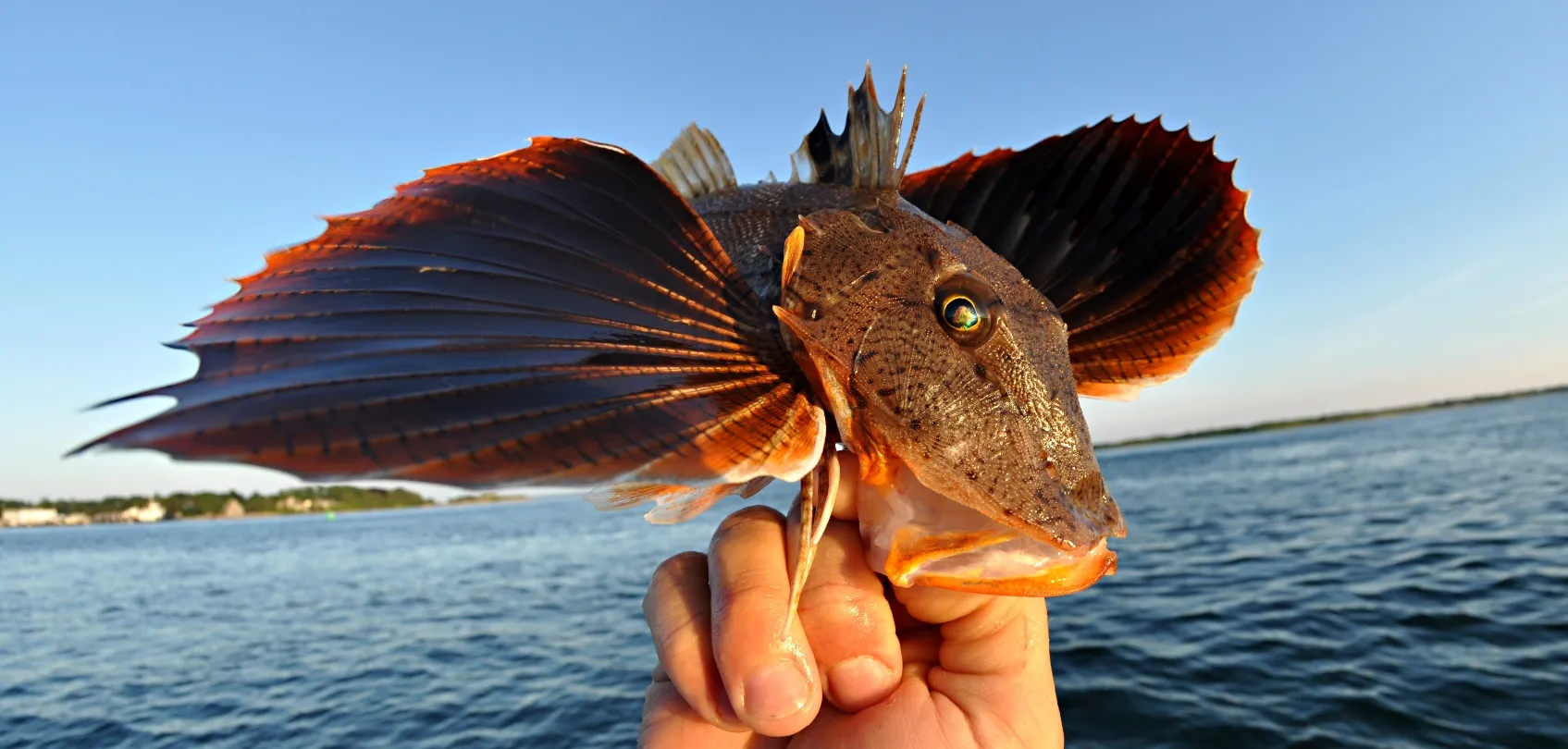
In the early days Vic would do everything — set up the rods, put scary-alien-mouth-inside-out-fang-tusk-worms on the hooks, lower to the bottom, and hand the rod to us. He was superman, fixing the rat’s nest we inevitably caused when we didn’t have “just so” thumb friction slowing the descent, helping us reel in giant monster fish when we couldn’t.
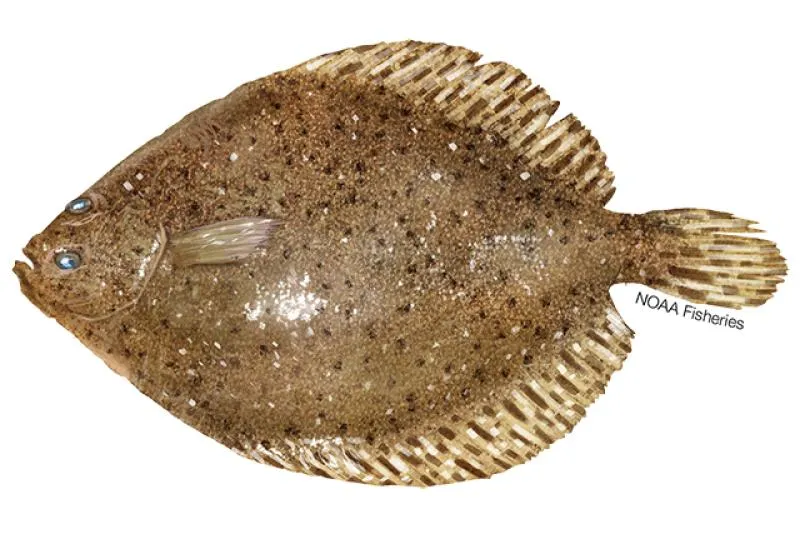
After a few hours we were so starving we didn’t care that our hands were covered in worm/fish guts and slime, and wolfed down our sandwiches. Gradually, as we grew, we kids took over and could do nearly everything, even getting the fish off the hook. Tim, and then Cory, joined our expeditions, and Greg and I helped them get the hidden-fang-tusk-worms onto their hooks, with them staring wide-eyed trying to believe such monsters are “normal”. Sometimes we brought home so many flounder (note that’s plural — flounder is one of those “irregular nouns,” thank you bizarre English language) they would fill the entire sink, and Vic would spend hours cutting and cleaning into filets, and then we’d have inconceivably fresh fish (steamed, ginger, scallions) for many dinners!
There were so many tantalizing Boston fishing trips. I don’t remember which one was last. It’s strange how often that happens in life: you don’t know, at the time, that it will have been your last time doing that thing. Such is the effect of the forward arrow of time on humans.
One time, I remember young Greg, desperately needing to pee on the drive home, Vic driving fast, gently coaxing Greg that we were so close, almost home, and Greg peeing all over the car seat just as we pulled up at the house (almost, but not quite, making it!). And then I remember Vic not being mad at all, but rather so so sweet, so understanding, first getting Greg inside to finish and changed/cleaned, then cleaning the car. Memories are so strange, so discontinuous. Your mind does not store nor retrieve them by organized, sequential time but rather by high level concept, analogy, music, smell.
Wedge Pond
Wedge Pond was just across the street, through our neighbor’s yard (who never seemed to mind us cutting through — thank you!). It was an infinite source of adventure, feeling like our own private ocean, especially for Greg and me in our early days. We’d carry the canoe down to fish, sometimes catching a large bass, sometimes spotting eels, trying and failing to catch just one of the many sunbathing turtles who seemed so slow but were in fact far faster than us (sort of like manatees actually).
That canoe was surprisingly nimble for us, letting us explore well beyond “home”, just like our bikes were on land, except for water. One time we dared to canoe under the scary-low-clearance bridge onto the Aberjona river all the way to the “duck pond”! We eventually discovered we could speed over to Stop & Shop (on the far end of the pond) and back with groceries, and surprised Pau Pau, who loved it! Thereafter, whenever she ran out of important snack production ingredients, we would make a quick canoe run. But we would also occasionally capsize (the thing barely, barely floated, and it got worse as we got bigger), far from shore, and slowly swim it back. Once, we concocted and executed (successfully!) a plan to go home and get the giant fishing net and try to catch one of the Canadian Geese on the beach, but we immediately regretted it (the goose was fine). When many straight days of rain flooded the Aberjona river, the whole downtown, we took the canoe out and sailed around the surprisingly large newly formed pond that had appeared in our back yard.
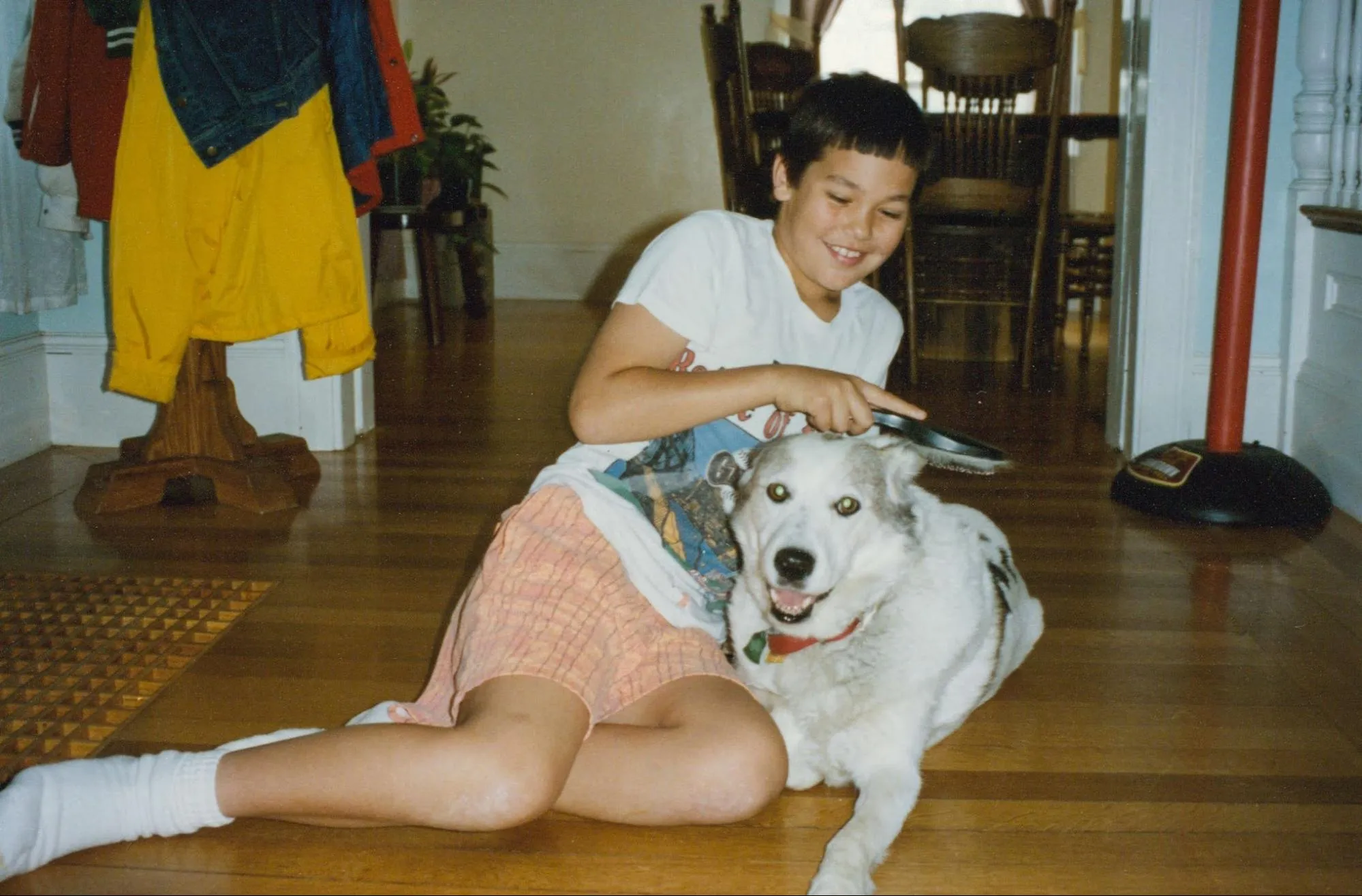
One winter morning Nellie, our gentle, lovable family dog (who came in between Muffin (a collie, with a pink nose!) and before Hazel), let out for her normal ten-minute bio break before school, didn’t return on time. We ran around looking for her, finally hearing her distant yelps, and discovering in horror she had wandered out onto the thin Wedge Pond ice and had fallen through near the very center, far from shore. She was trying and trying to get out, pawing at the ice.
I’ve never felt so suddenly terrified, for so long. We ran home and called 911 (the only time I’ve dialed it), fearing we were already too late. How could she last for anything more than a few minutes in freezing water? Two firemen arrived quickly at the beach, with a sort of ice-rowboat with ice-pick paddles, and chopped/rowed/smashed all the way out, pulling Nellie in and bringing her safely home. I can still picture them vividly, now, punching through the ice by hand and rowing out to Nellie, and it still brings me to tears remembering that day, that image. I feel I didn’t thank them enough (at all?). We were all in a state of shock. Adult Mike is still amazed the firemen succeeded, and so was child Mike. I got to skip school and stay with Nellie, who wouldn’t move from her warm, blanketed spot, next to the fire. What an impressive excuse I had for missing school!
MIT annex
In high school, Greg and I took an intense scuba diving certification class at MIT. We were by far the youngest students! There were MIT grad students and other adults taking the class with us. I kind of wonder if we were too young, officially, for the class, but nobody checked? It was ~16 separate classes in the MIT pool, then 6 certification dives in the insanely cold November Boston-area ocean. Our wise instructor had a dry suit; we students all suffered in wetsuits, which means every time you kick or move your body, cold water rushes in and moves your body-heated warm water out. I remember he told us to pee if we got cold. We learned to drink a lot of water just before our dives! It was during those dives that I learned the creative and effective way that lobsters “swim,” 60 feet under. We drove ourselves in the non-mini “vanagon” to each late-night class and back around midnight, starving, wolfing down a big block of cheddar cheese since we were terrified of the well-known and well-shared risks of eating before swimming. On a later family trip to Florida we used our NAUI certification for the first time to rent scuba gear and dive in search of manatees. We finally found one, carefully swam up close, and it flapped its tail once seemingly in slow motion yet zoomed away faster than we could swim.
Family vacations carried the same wild normal. In an early Florida tip, we somehow fit Mom, Baba, Greg, and me into a single canoe and set out exploring Okefenokee Swamp which was literally infested with gigantic alligators all seemingly staring at us as food. Mom and Vic were relaxed, acting like this was a totally normal family thing to do, serenely paddling along! I remember sitting flat on the bottom of the canoe, trying so hard not to shift my weight, the water barely a few inches below the edge of the canoe. The alligators seemed to taunt us, taking turns suddenly swimming quickly right towards us on the surface, and at the last second dropping underwater, passing beneath the canoe, and surfacing on the other side. I was terrified as child Mike, trying hard to channel the inexplicable calmness from my parents. Adult Mike is still freaked out by that outing, but I did somehow learn to love kayaking and canoeing. Go figure.
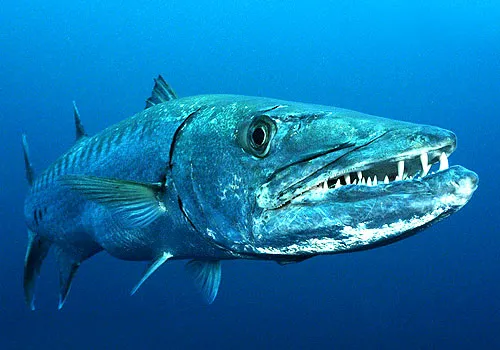
On a vacation to Cozumel, Greg and I went snorkeling right from the beach on the resort. It was flushed with life: impossibly colorful tropical fish, a tiny octopus, lobster poking around between the rocks. But most terrifyingly, we saw a MASSIVE barracuda just sitting there, somehow not swimming or moving, yet defying the strong current that was quickly pulling Greg and me down the beach, towards it, staring at us, hungry! That quickly scared us out of the water and we talked about how barracuda attack by ramming / surprising you straight on.
We were inseparable from MIT. Sometimes I felt like we were an extension, an annex, just like Lincoln Labs. We kids had summer camp at MIT; grad students came randomly for dinners, parties, sleepovers (Lori Lamel, Dan Huttenlocker, Rob Kassel, etc.); we kids would go chillax at MIT for an afternoon while Mom and Vic worked on something urgent. I remember Mom would sometimes drive all the way to Lincoln Lab, forgetting to drop us at school.
One morning, waking up downstairs on a couch in the living room, Ron Cole, visiting speech scientist and seemingly some sort of playboy (did he actually work on things?), asked me (demanded?) to fetch him seven (!!) aspirin. I remember thinking this might kill him, and what would I do if that happened, yet he insisted. Joe Polifroni was a favorite visitor for so long. He was the officiant for Jane and me when we married at the World Trade Center in Boston.
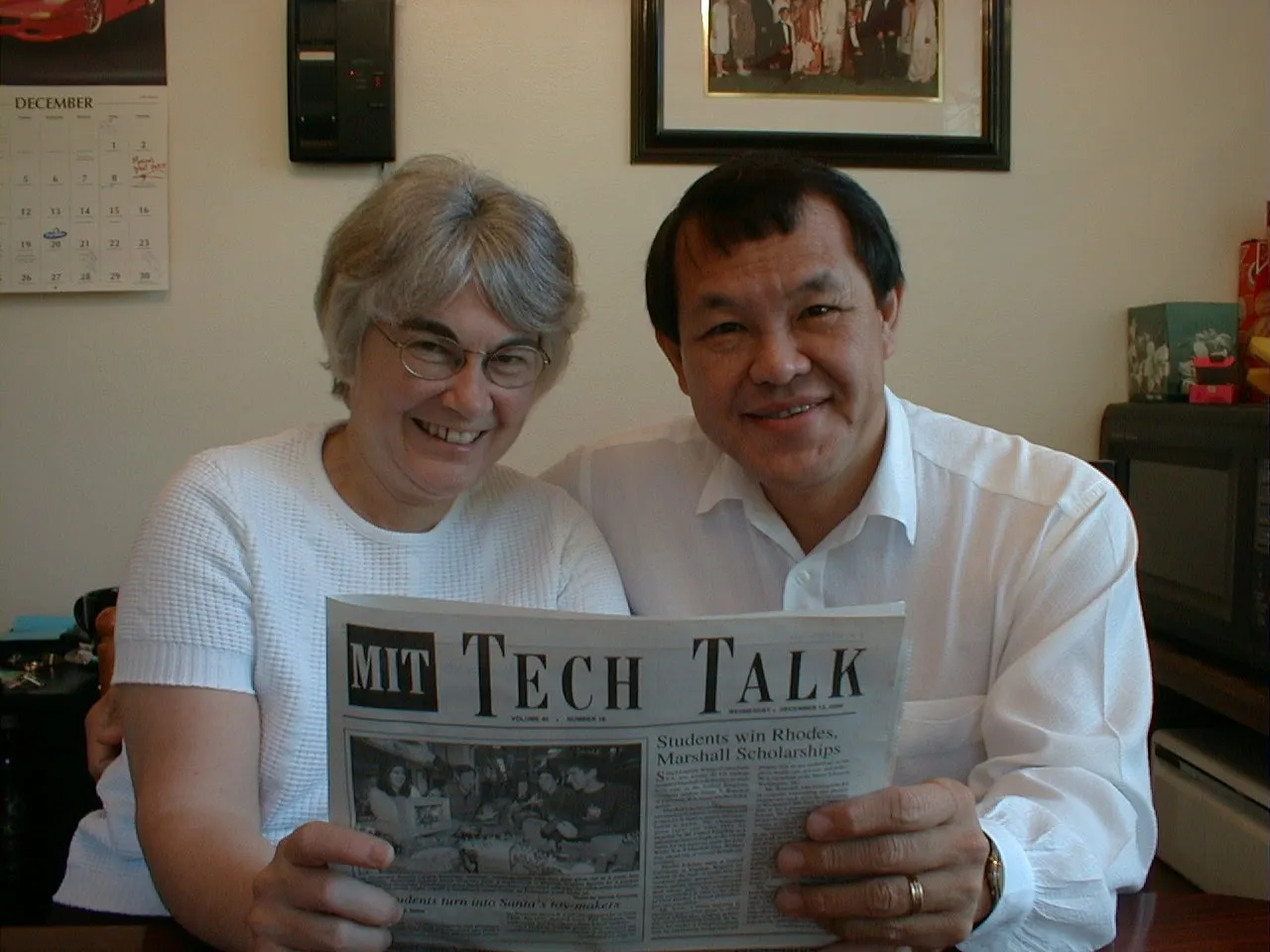
Linc lived with us on the 3rd floor for a few years (?), growing “plants” in the 3rd floor bathroom closet. Child Mike just learned that was normal plant growing, when you didn’t have enough sunny spots indoors. Adult Mike loves it! Why do we make such natural treatments illegal, attaching our judgy discrete binary “drug” / “not-drug” labels? For Vic’s 40th birthday his students filled his office with red balloons, and later came over for a dinner party where everything continued to be red, including each of the 40 separate gifts they brought. I remember thinking 40 was so old! And, at the same time, not really believing my parents were actually aging.
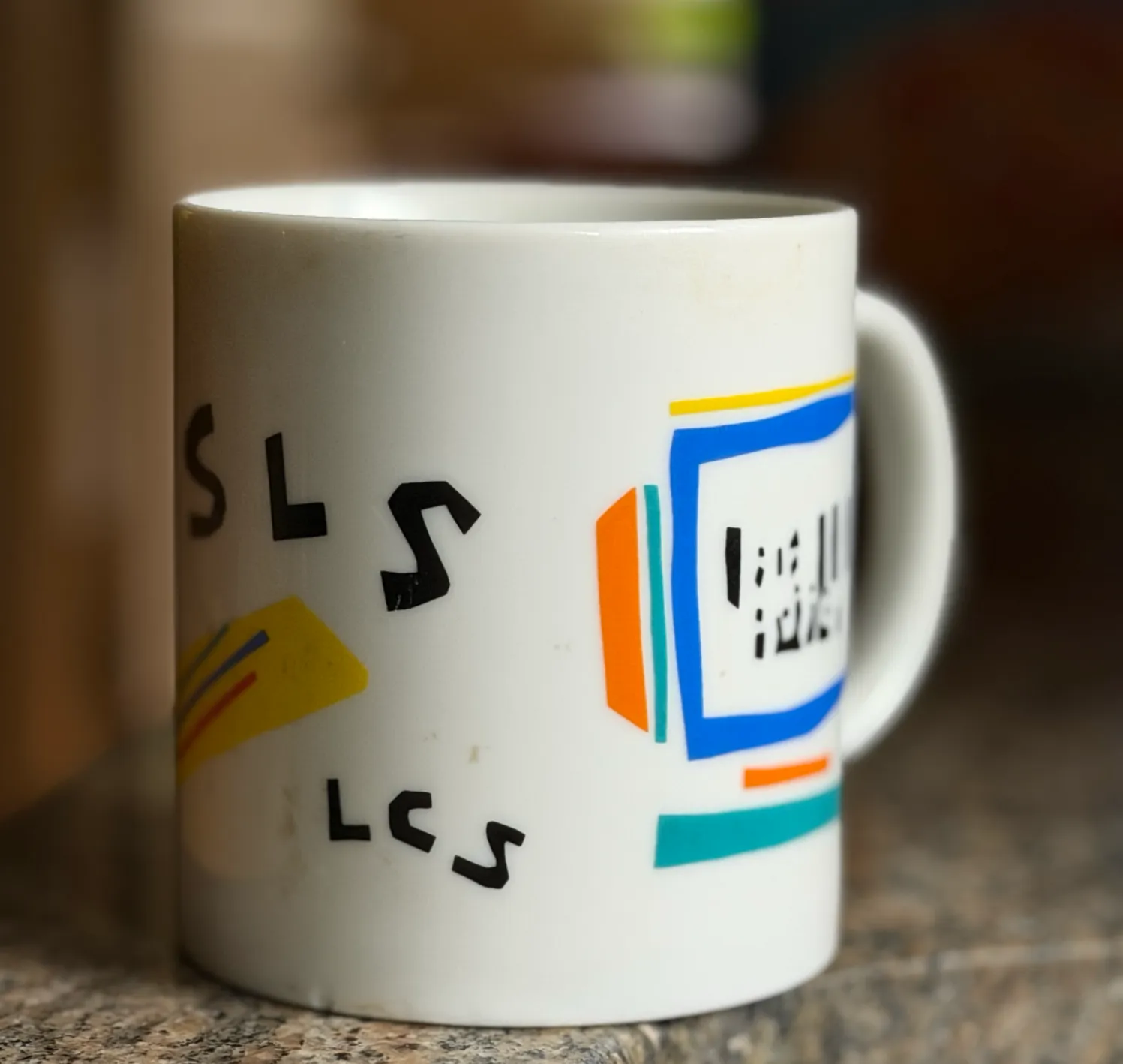
In hindsight, what critical foundational research the MIT group (Spoken Language Systems) tackled. We still have mugs with that exquisite artwork (spectrogram!) from Sally and her paintings. The group built prototype speech-recognition and synthesis (“speech to text” and “text to speech” they are now called) demos of things we now take for granted on all our devices. Back then, preparing for and giving demos was a nerve-wracking process. Everyone prayed to the “demo gods” — I thought they were real. Poor Nancy Daley (one of Vic’s students) sure learned the importance of rehearsing the precise demo script. One time she gave a demo to big shots from Japan, showing how a new search tool could quickly narrow a large dictionary of words down to one or two matches using properties of articulation (fricative, glide, nasal, …). On the spot she randomly picked some search criteria — a plosive, a vowel, nasal, … and the one word in the entire ~200K word dictionary matching her search request was… penis! She turned beet red, ran out of the room, leaving the Japanese guests mystified.
There are so many more memories I don’t have the space to write about — ask me about them!:
- The houseboat (Uncle Geoff, “awwww, eyyyy, gonna get Greyyygg!”), especially the time we were lying on top of the roof, gazing at the stars, and Greg says “hey, what’s up with the moon? it’s all fucked up!”
- The time I accidentally put diesel into VW Jetta when driving home with Cory from skiing
- Cockroach splatter spoon — I still remember what it looks like, the awful “splat!” sound, but not who did the deed and who witnessed. Thinking now as adult Mike, it is insane the aim required to have achieved that feat?
- The broken mercury thermometer, that liquid mercury scattering into so many seemingly solid, yet weirdly liquid when you try to recover them, balls
- Dog stories — Muffin (black magic marker, recycling food, eating poop), Nellie, Hazel, Tim’s bulldozer dogs
- The broken rocking chair (firewood from the scary basement) that Greg and I flimsily attempted to cover up
- Nearly burning the house down
- Losing hamsters in the air vents
- The “gatherings” hierarchy, cousin Andy “sleeping” on the grass when the police arrived
- Cutting my finger badly, hiding it, on the way out the door — I still have the scar!
- Mexico: dune buggies, Greg’s slow-motion accident, the cover-up, the leaking hole in Greg’s leg, the “doctor” who came to our hotel room and patched Greg up, as if this was a normal doctor thing to be doing in Mexico
Osmosis
Kids learn how marriage works by osmosis, watching their parents. Thanks to Mom & Vic, I grew up with strong conviction about what makes a healthy marriage: an emotional and physical, affectionate closeness, with frequent spontaneous check-ins, talking, even random whispers, hugs, kisses, giggles. Being attentive and gently inquisitive when something is off. Spending close and consistent time together. Just as a forest requires periodic fires to stay healthy, disagreement and fighting when necessary — then talking it through, for hours if needed, possibly with the help of certain plants, to an understanding and compromise, without going to bed angry — are vital. Often after all that vibrant energy is spent, the original confusion comes down to an almost comical mistaken assumption or simple misunderstanding thanks to the ambiguities of our weird spoken language.
“When two people always agree, one is unnecessary,” I learned early on from Baba, one of life’s many little wisdoms (idioms? proverbs? aphorisms (says Claude)?) that he would quietly share at the right times. They stuck with me, and I now repeat them to my kids. This one applies to marriage as well as your personal and work relationships and career: couples and teams are stronger precisely because of their differences. Disagreements, and a healthy process to work through them, are fundamental to that strength.
I witnessed dizzying (and scary, to child Mike) flashes of anger during their fights. There was that one saucepan with a dent on the bottom copper part (we all know the one!) from Mom’s rare wrath, forever a reminder of that particular fight when she threw it at the brick wall. With each fight came the eventual, symmetric in energy, reconnection. One time Mom and Baba got giggly-drunk sitting at a picnic table, sharing a six-pack on one of our always-adventurous camping trips while we kids looked on, baffled. Each such cycle strengthens their bond — the relationship stronger in the end — like a healing broken bone. At night we would hear the usual loud bass music, different songs but always strong bass at that oddly specific rhythm, and that curious smokey smell I now know as pot! They had a stereo in the bedroom, and another in the living room heh.
Digging out where and how the misunderstanding happened, rather than let it by default silently fester into hardened long-term base contempt: that is the lesson. I appreciated that Mom and Vic did not hide their fights, nor the opposite wild displays of affection, from us, also an important lesson which I try to carry to my kids.
As my own kids are now finding their potential life mates, I find myself wondering what sort of marriage their partners’ parents modeled, what their mates know marriage to be. I also wonder whether we (Jane and I) did (are doing) enough to show them what a marriage should strive for. Mom and Vic did such a great job for us. That modeling is a tricky meta-skill. It somehow came naturally to Mom and Baba.
In the early days Vic was very much the disciplinarian. If Greg or I did anything wrong it was scary: stern talking, discussion, maybe spanking. (Tim and Cory are lucky! Baba was more chillaxed with time.) Greg and I learned our extreme morality coming out of that discipline, too much, perhaps? Jane will happily tell “minor” white lies to smooth over life’s random rough edges. But I cannot, and it sometimes bewilders her, and I am then equally bewildered by how effortless it is for her.
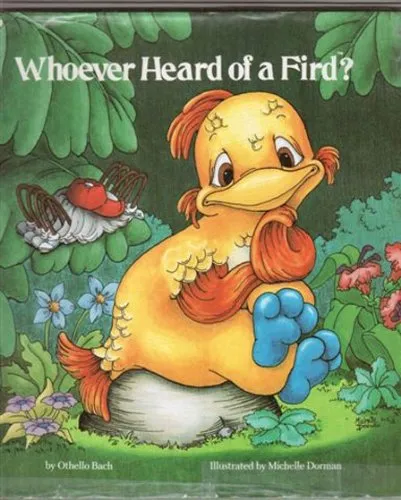
Vic’s discipline, especially teaching us to never ever lie, combined with all those cult classic childhood books/comics — Dr. Seuss, Gary Larson (The Far Side!), Horton Hears a Who, The Giving Tree, Who Ever Heard of a Fird? — installed our strong moral firmware. I thought these were just the random books our parents had lying around, but clearly there was wisdom and careful curation in their selection. It is surprising how timeless Vic’s and Dr Seuss’s lessons are.

Vic also did something remarkable: he wrote me a personal, private letter, on graduating from college and later graduate school (six years later sheesh) — he wrote one to Jane then as well (we graduated and then married, 1998, July 4). I remember “marching to the beat of a different drummer” and his admiration and caution. It was carefully thought out, written by hand, handed to us. It shows how carefully he loved us kids: thought thoroughly and specifically about each of us, our unique strengths and challenges, life wisdoms he could impart, and how he rendered that love. I am trying to do the same for my own kids.
The carefully written word is such a powerful tool, so rarely utilized in these days of dwindling-6-second attention spans and so difficult to produce in brevity (witness the current essay ha: if I had more time I would have written a shorter essay). Jeff Bezos famously takes this same approach at Amazon (no slides — only six-page documents!) for important idea-sharing meetings.
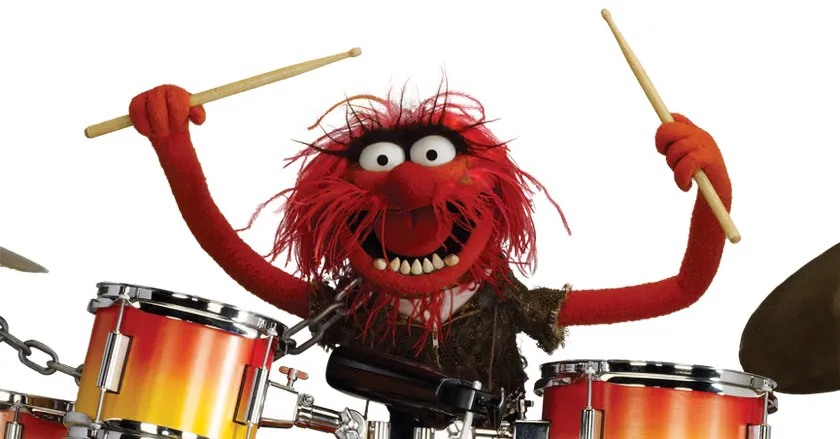
Vic was so present and helpful whenever I had girl struggles (not so often, because not so many girls!). When my first long-term girlfriend (Nikki) broke up with me, early in grad school, I was in a bad, morose, lonely place, living in my own Cambridge apartment. Vic saw this and lurched into action. He reached out, many times, checking in. He suggested I teach myself the guitar. Vic is remarkably musical: he played bass guitar (really well!) in a band, The Invaders, along with three or four friends/peers, and we thought having parties with parents performing in the band was totally normal fare. “Dave the drummer” (this is what we called him to differentiate from all the other Daves) reminded Greg and me of Animal from The Muppets.
I would listen to the classic dancy songs (Pretty Woman), sometimes even dance (!), and watch his fingers closely, listen to Peter Blankenship singing (Vic would sometimes sing harmonies) and playing lead guitar. From this I learned to listen closely for the bass in all songs (and now point it out to my kids — Bad Guy by Billie Eilish has great bass), and to listen closely to lyrics to understand the artist’s story (yes I like Piña coladas is a great example) or intent (The Last Resort brings me to tears).
After Nikki, Vic sat with me and patiently showed me the basics — tuning, chords, picks, rhythm, pick-up, up/down strokes — then took me guitar shopping and bought me an awesome acoustic-electric (Washburn D-17CES/BR), and gave me one of his Peavey amps, and a mic. I still have this guitar — I took it out just now — it turns out you can play guitar with your left arm in a sling! This guitar has somehow become “vintage.” Why can’t humans turn “vintage” too, as they age? Later, as I was falling for Jane, Vic helped again — sharing details of how he wooed Mom long ago, mapping those times to Jane and me. Our two situations were the same! Just spanned across decades. I try to do the same (help with girl challenges), so far with my two sons — it’s hard!
Baba was also generous to all of our friends. For me, that was Hank: dinners, outings, camping trips, sleepovers, fishing, Hank was welcome. Vic genuinely connected, remembered details about his life, following up next time. This personal connection made Hank feel like an extra brother. I had been to other friends’ houses for dinner and felt more like an outsider, which again made me realize how special Vic’s open-arms approach was. Jane and I have tried to do the same with our kids’ friends. In the early days, Baba ran our birthday parties too — leading “Simon Says” every time. And he was good at it — it was hard! I never won!

From Mom I learned (inherited? Ahh nature vs nurture.) unabashed, intense passion and curiosity. We had subscriptions to Nature, Scientific American, and more, always lying around and stacking up. I would read them, sometimes cover to cover. I specifically remember bringing a special issue dedicated entirely to the transistor on one of our out-west driving vacations. We would drive through majestic mountains. How is it Mother Nature creates such beautiful things (a sunrise or sunset, mountains, canyons, preposterous trees, graceful rivers, a colorful feather) so easily “by accident”? Yet child Mike didn’t notice and preferred to read intensely, trying hard to understand how we humans could so effectively domesticate physics into those tiny silicon switches and somehow build Mac computers on top. That one vacation triggered something in me, leading to tinkering with electronics and building my own computers. That drive runs further back: fire (in the fireplace, mostly), the massive fresnel lenses focusing sunlight to see what it could do (turn sand into glass!), the terrifying basement with its exposed Knob & Tube wiring and how a light switch in the kitchen would electrocute you if you also touched the stove at the same time, then on to solar power and batteries and electric cars. Mom, leading by example, taught us to explore our passions: don’t be afraid to “march to the beat of a different drummer,” follow your nose/brain to find what excites you and build it.
I was often bored as a kid — at home, homework (which was so much easier back then!) done, nothing to do — driving Greg and me to find things to do or learn (“idle hands are the devil’s workshop”): pickup basketball, canoeing/fishing, biking, buying crazy sciency things from Edmund’s Scientifics and building and learning. Back then there was no internet, no apps, no mobile devices. This is well before Amazon — dark days! Phones were tethered to the wall at home, and you shared just the one phone line. Faxing was high-tech. Boredom is a good teacher: it quietly empowers you to cultivate your internal curiosity, find your own interests, learn how to schedule your own time. That endless curiosity is somehow still in me, thriving, driving my career and hobbies and tinkering and teaching.
In contrast, my kids mostly have their time nearly fully scheduled. They struggle to justify skipping one regular tennis or dance lesson to do something exotic. We subscribe to the same sciency magazines (National Geographic, Scientific American, but also Make Magazine) that I loved exploring as a kid, and we intentionally leave them “around” on the kitchen table. My kids never read them — no time, not enough interest, not enough boredom. They never really learned how to confront boredom. Of course, they are talented dancers, gritty tennis players, hard-working, creative, college kids as a result! Their process clearly works well. But still I worry for them, probably needlessly since “different” doesn’t mean worse: what happens when they head out into the world, no parent to guide their time? Reflecting on my childhood here helps me traverse this stark contrast. Each of us is a product of our times, and this “coddle or not” pendulum swings back and forth across each generation. The Coddling of the American Mind dives into this well.
Money and sex
Money was never a problem growing up. I remember “The Pot”: a specific pottery/ceramic thingy with a lid, in the pantry, designed maybe to hold sugar, but for us containing an infinite source of $$$ bills for whenever we needed to go “shopping.” Modern parental wisdom suggests you should teach your kids financial responsibility early on: chores for allowance, saving and investing long term, when to cautiously spend on what.
Like the sex talk (which I barely got!), the money talk never really happened for me — and I’m so much better for it. I rather learned by example, and Vic’s timely pearls of wisdom: “the first investment is yourself,” “don’t be slave to your possessions”. We took fun vacations, more expensive and distant as I got older. The early days were camping, which I loved so much (still do!), and later trips like Hawaii (and charter fishing!) and Cozumel. I learned that you work hard to earn $$$, but then use it to explore, learn, live life, and experience unique things. But also to be generous with friends/family, to share it, to try not to let it drive conflict. So many relationships have such trouble with money. Too many people save and save, rarely spending, seemingly just for the sake of saving as if that itself was the purpose rather than a means to an end. Or they spend only once they are so old that they’ve lost the drive to explore. That’s a sadly backwards/inverted life. I know I am privileged and lucky to have plenty of $$$ and thus the freedom to adopt Mom and Baba’s relaxed approach to finances.
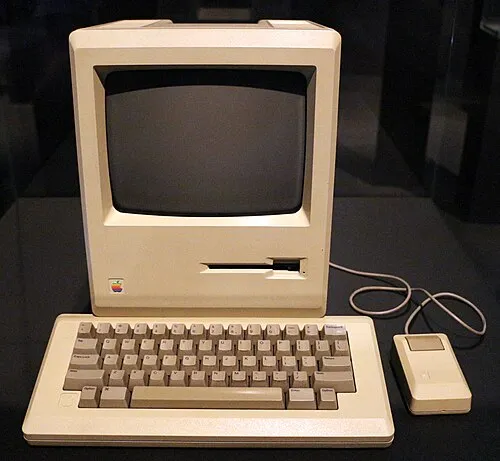
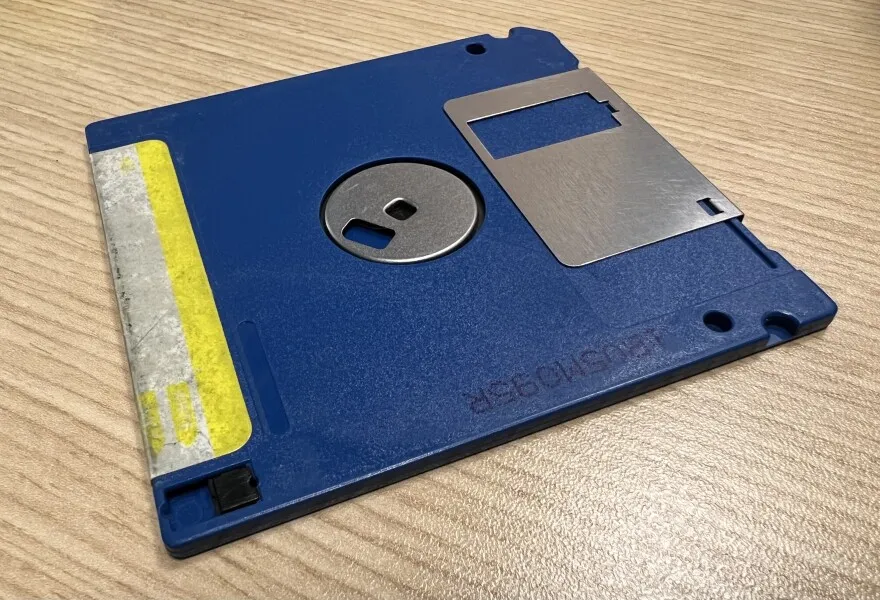
Vic is very much an early adopter (Mom isn’t, and it has always resulted in some tension — modern example: whether to switch to Starlink (or maybe Leo, Amazon’s competing alternative) for internet in Hawaii). I fondly remember when Vic took us to the MIT campus store and suddenly purchased a Macintosh, shortly after its revolutionary 1984 release. I was blown away — that futuristic screen (shades of gray, not just black/white!) was gorgeous, graphical applications with windows, a mouse! It set me strongly on my computer science path. We eventually added a massive (ha) 20 MB hard drive, and a pricey C compiler for me to tinker with. It was scattered across 30 floppy disks, which I inserted one by one for “installation” onto the hard drive.

Another day we came home from “the mall” (remember those?) with a brand new CD (“compact disc”) player and our first colorful laser-etched plastic CD (Dire Straits). I remember blasting the title track Money for Nothing, and being in awe that such a tiny colorful plastic disc could possibly hold such high-quality songs. There were so many other early adoptions. The new microwave oven we trusted only gradually, dish by dish, frequently accidentally putting an errant metal fork or spoon in too. The Tivo that let us pause live TV and skip over ads. Early on, Vic carried an impossibly tiny high-tech portable tape recorder. I remember him, sitting with young Tim on the water-bed, recording him and playing it back, and then asking Tim how his voice got in there, and then recording that response as well, and playing it again to a mystified Tim who confidently explained that his voice (no — actually, he) got tinier and tinier and eensier and then went inside the tape recorder to talk.
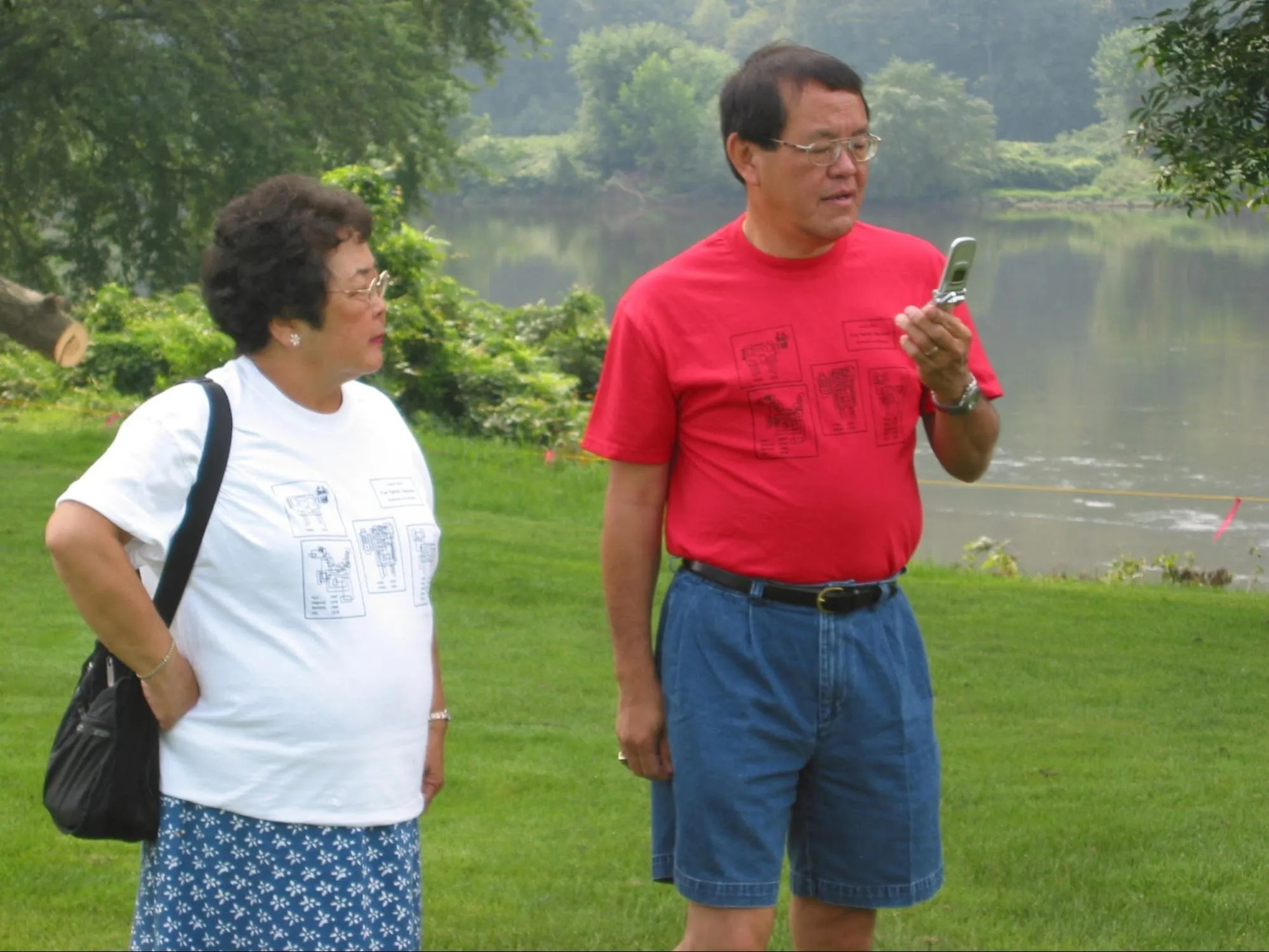
Vic also went through multiple sports cars — Corvette, Mazda Miata, Porsche, another Corvette, maybe another Porsche — with Greg, who knew everything about cars, constantly whispering in his ear about which should come next and why. I borrowed the adorable red Miata for junior prom, not knowing the secret unlock or how to operate its alarm — quite a disaster at my date’s house at the end of the night! (She was very gentle about it, but probably still tells the story, like I am now.) I also once got a speeding ticket driving the Corvette home from MIT!
I know now that so much of my me-ness comes from this childhood context, so gradually blending into adulthood. My deep curiosity, early adopting, the confidence that I have the tools to explore, and that it’s ok to wander and share. Seek passion in your work and hobbies, yet draw a line between work and fun. Strengthen your play ethic (mirror image of work ethic?), “do things in moderation, even moderation”, and seize those chances for unique “forever memory” vacations. Don’t forget to anticipate along the way as your plans approach. It is half the fun of life. Don’t be a slave to your possessions nor to money. Stand out, be opinionated, think different and bring your small dent to the world — be the “unreasonable man.” Nobody specifically taught us any of this as a lesson. We just lived inside it, and now bring these learnings to the world and our kids.

Full circle
Childhood is bizarre. There is nothing, and then suddenly you pop into existence, for no apparent reason, a physically exotic and seemingly (to you anyways) random roll of the genetic dice. You, just the one large tiny cell at first, start right up, churning away on the usual human default existence treadmill, acting as if you do have a reason. You won’t remember most of your younger years, bumbling forwards doing the typical yet crazy human baby things, changing so drastically, unaware, absorbing so many great Dr. Seuss books. You wander through your one wild and precious life, always knowing yet sometimes temporarily forgetting the relentless ticking clock, still not knowing your reason, forging ahead anyways.
You are a fragile creature, somehow continuously self-organizing your small portion of stardust, eventually in turn making little copies of yourself, in stubborn defiance of a harsh physics constantly trying to disassemble you (entropy), also for no apparent reason. This is what life is: a brief defiance of physics. Sometimes physics sends you a painful reminder, a sudden broken bone: “you are mortal, don’t forget.” That sharpens your focus, as your two sub-bones magically try to self-connect, heal back into one.
As the first kid, I “led the charge” of the four brothers. I had a two-year head start. Then little brother Greg (legally John, waat) appears. Seven years after me, Timmy. Finally, baby brother Cory, when I was twelve. I watched Tim grow inside Mom, not really knowing why, and then suddenly one night he popped out, right at home, in the 2nd floor bedroom. Same for Cory, five years later. Child Mike thought this is how all kids are made, and assumed I would someday do the same thing to make my own kids — and only then (adult Mike) did I realize how scary and insane, yet somehow also completely “natural,” baby making is. I was not brave enough to do this at home with a midwife. Somehow Jane still did natural childbirth — no anesthetic for any of the four (!!) — pestering the nurses to check out early. I am in awe. I play such a tiny tiny part in that. It’s utterly incredible that we humans can simply make more humans, with so much biological complexity lurking under the simple abstraction of our outside, and yet we do it so often we think nothing of it. Such is the power of our brain’s odd, dangerous, defensive ability to “normalize”.
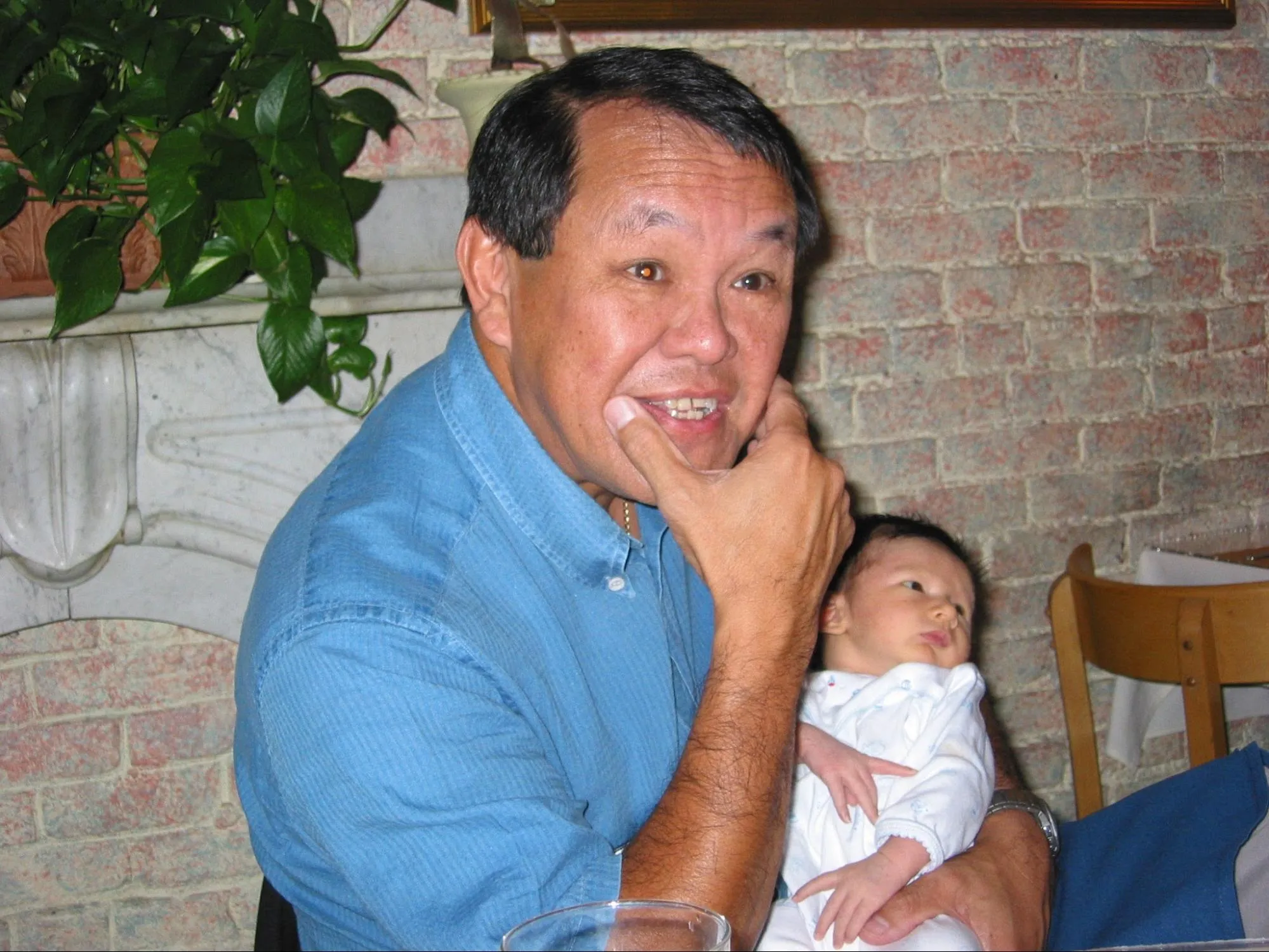
Cory is indeed my littlest brother, but I often felt more like a father (still do sometimes!) — I was all grown up already (or so child Mike thought, then). Our first time flying to Hawaii, it was somehow just Mom and us kids, and Mom was incredibly sick (stomach flu) on both (back-to-back) 6-hour legs of our journey, so the rest of us entertained baby Cory (back then it was OK to just walk the aisles — but also back then there were “smoking sections,” so the whole plane was yucky stale smoky air, and also, no handheld electronics to help kids pass the time!).
Watching baby brothers pop into existence, seeing them grow, I got to experience childhood from a distance, as if I were no longer a child, a rarely experienced blend of being both a parent and a brother which I (adult Mike) realize now was so precious for Greg and me. Nobody ever teaches you how to be a dad or a mom. There is no class. We are all just mostly copying our parents and mixing in our own ingredients, our corrections, and essentially winging it. My experience, especially with Cory, was my primary original teacher. I credit those six special formative years (until I weirdly sprouted my wings and left home) for creating the crazy dad I am today, instilling this still growing unbounded awe of childhood, the deeply resonant driver for my long essay here. And I fear I have still only scratched the surface, but life is short.
As a kid, you view your parents as timeless, unchanging, your same wise parents forever. You don’t sense the gradual long-term passage of time, neither their mortality nor your own. But as you live on, and broaden your context and find your place on this planet zooming through desolate space, you discover your parents are not on a pedestal, do not know everything perfectly. They are humans, spontaneously created like you, bumbling on through the world. They just happened to be the people that made you, the same roll of the genetic dice, just in reverse. Parenting is fundamentally a Pay It Forward (great movie) system by design: parents pour their love into us kids as best they know how, not expecting recognition, credit, thank-yous. It’s only as the virtuous cycle of life turns — kids become parents, parents become grandparents — that the kids finally see inklings of just what their parents did, how hard they must have worked behind the scenes. You have to see it and live it from the flip side. I am looking forward to watching my kids become parents.
You gradually come to realize there is no “normal.” Every household is different, yet also “normal.” We thought it was normal to walk around naked all the time at home. We thought nothing of it, only to learn, sometimes quite suddenly the hard way, how guarded most people are about unwrapping to their birthday suits. We thought parents playing bass guitar in their band at parties, or dancing the night away, or confidently smoking a duck, or matter-of-factly announcing ‘I have to put in my eyes!’ before heading out, or making new humans on the second floor of your house on a random Friday or Saturday, was normal. There is no normal. We are all just running on the same human treadmill, doing the best we can with this weird defiant struggle against physics.
Years ago, on a random Tuesday, and for no apparent reason, five-year-old Kyra suddenly screamed at the top of her lungs: “AAAAAAAA! IT’S SO HARD BEING NORMAL!”. I resonate with her! The fresh eyes of a child see the obvious, simple things that adults miss with our overly complex feelings and “we know better” arrogance. We know worse! Adults should listen to children. They invent new words and concepts (“already’d,” “another last one?,” “pahyuter”). Problems that vex adults can be trivial for children to solve. Oh very young what will you bring us this time?
The apparent end of childhood is a sad event, a loss: a unique and fleeting creature dies, and at once a durable adult takes their place, an actual example of philosophy’s teletransportation paradox, just in slow motion. The best we adults can do is attempt to mimic an echo of a beginner’s mind (shoshin, 初心), or try hard to remain a kid, perhaps gracefully blending into an adult, trying to sidestep the problematic binary tradeoffs exposed in Peter Pan.
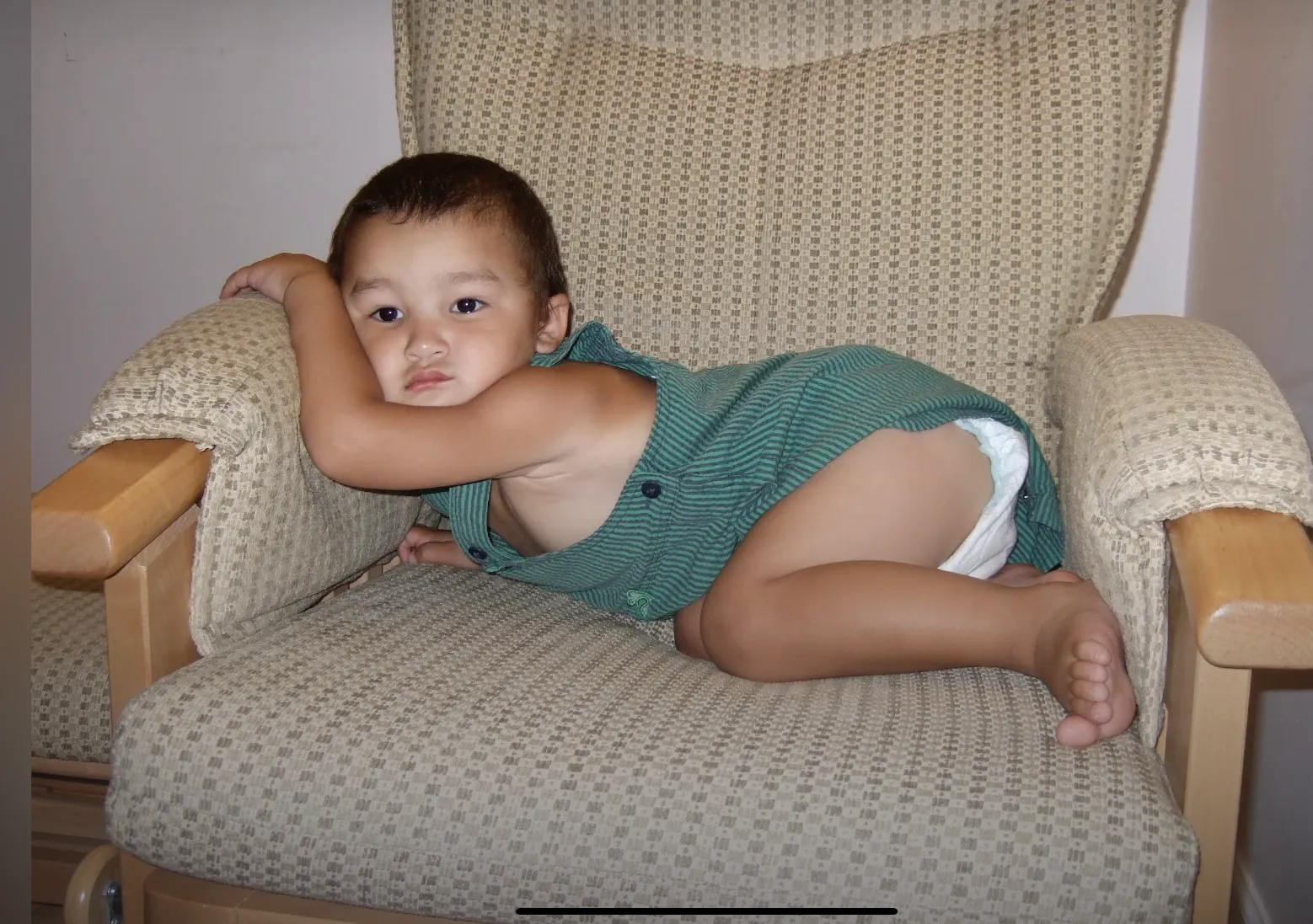
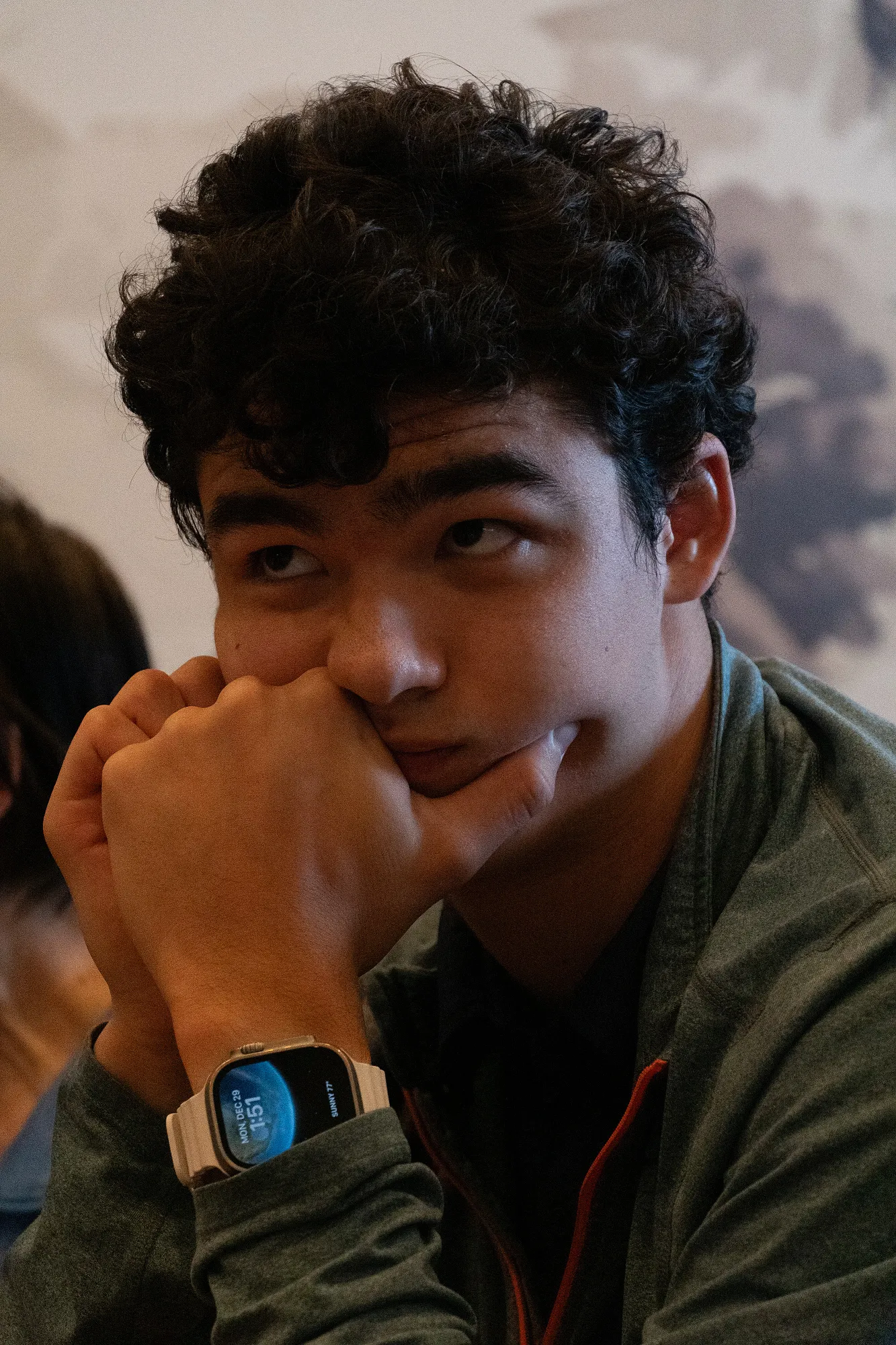
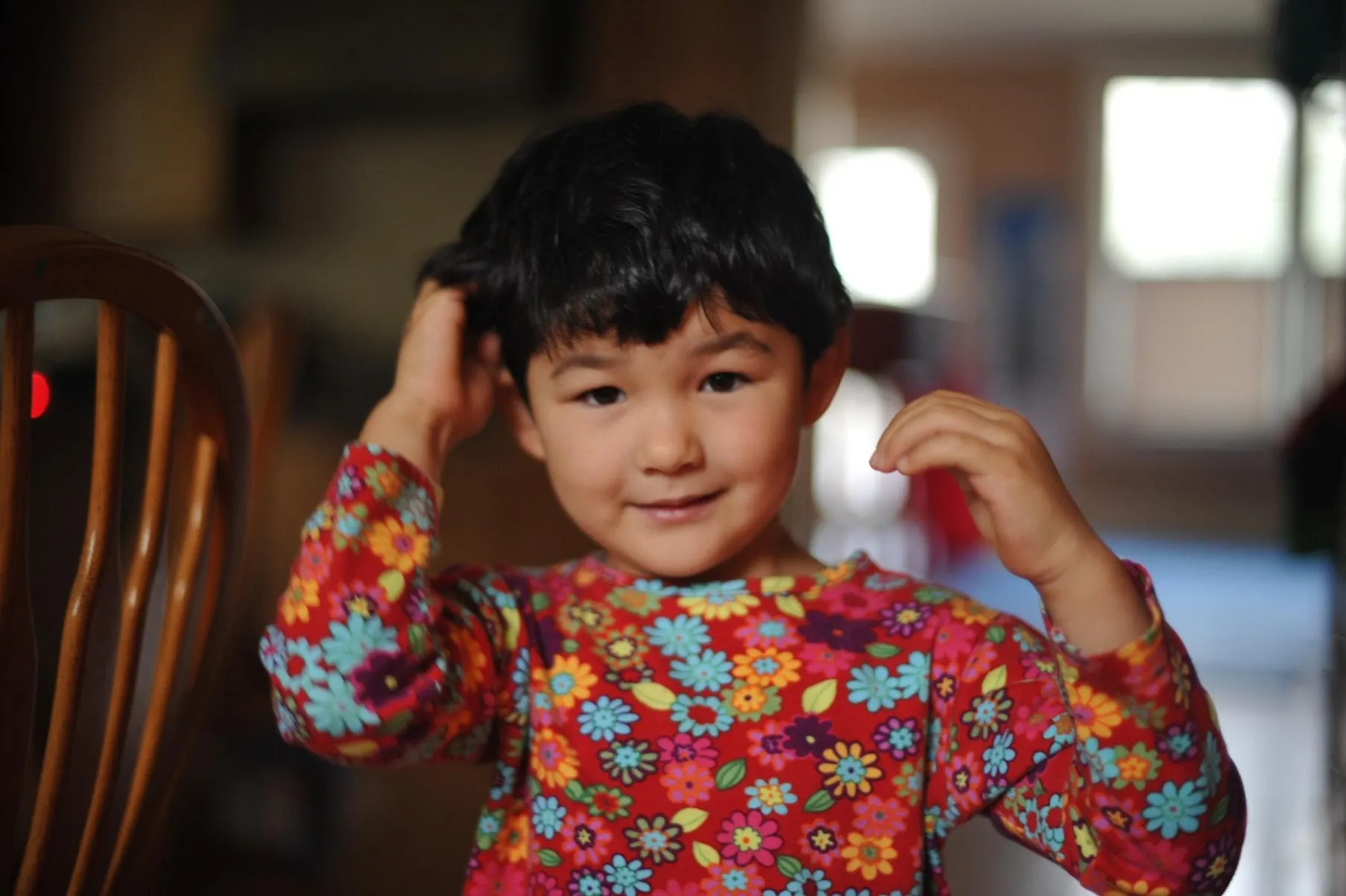
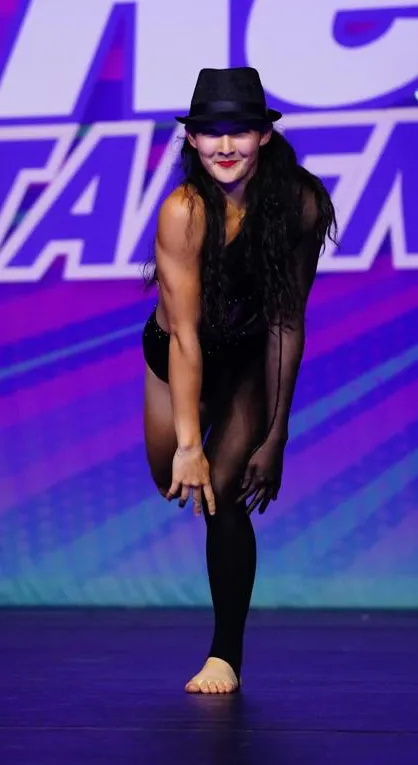
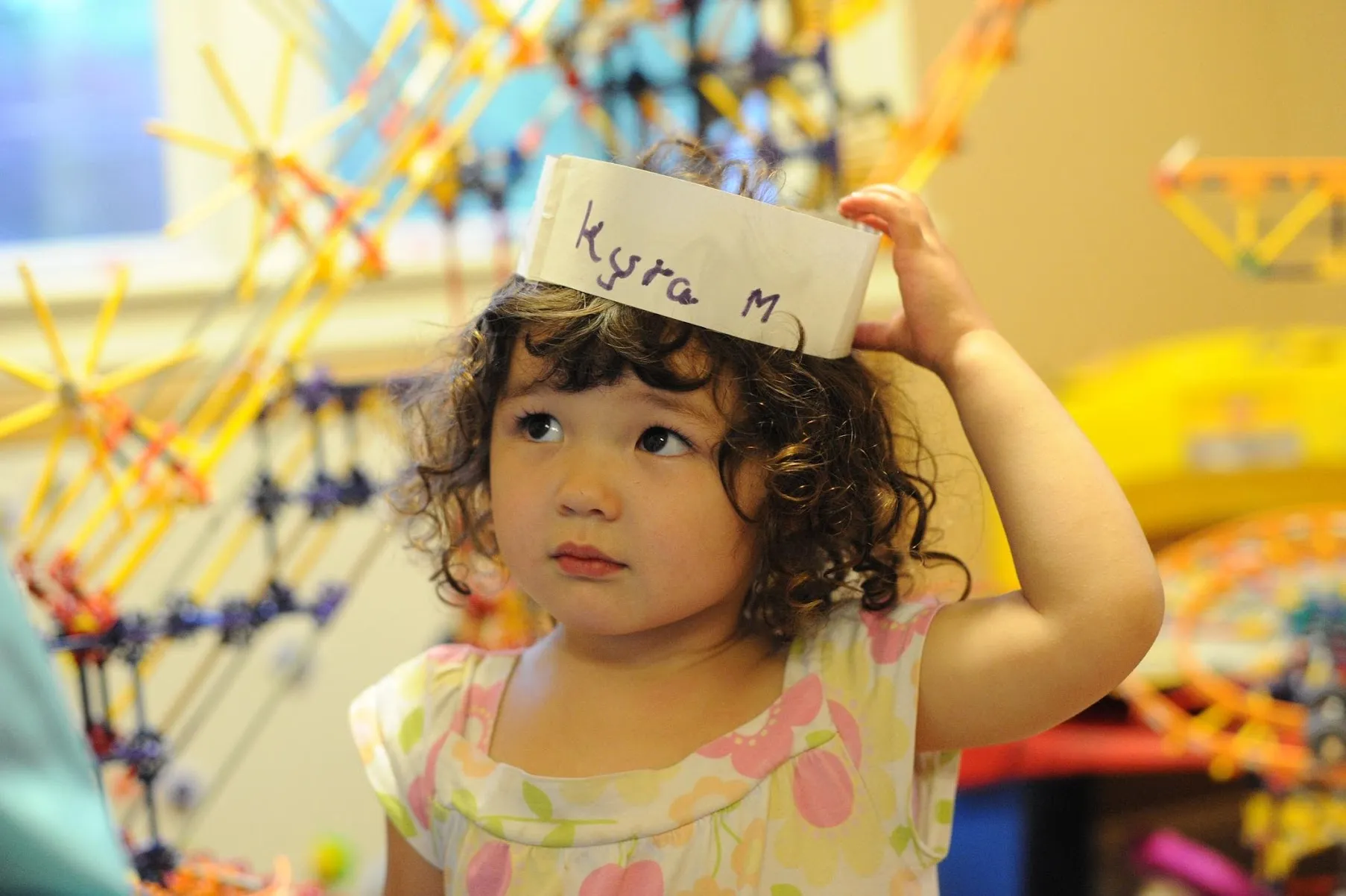
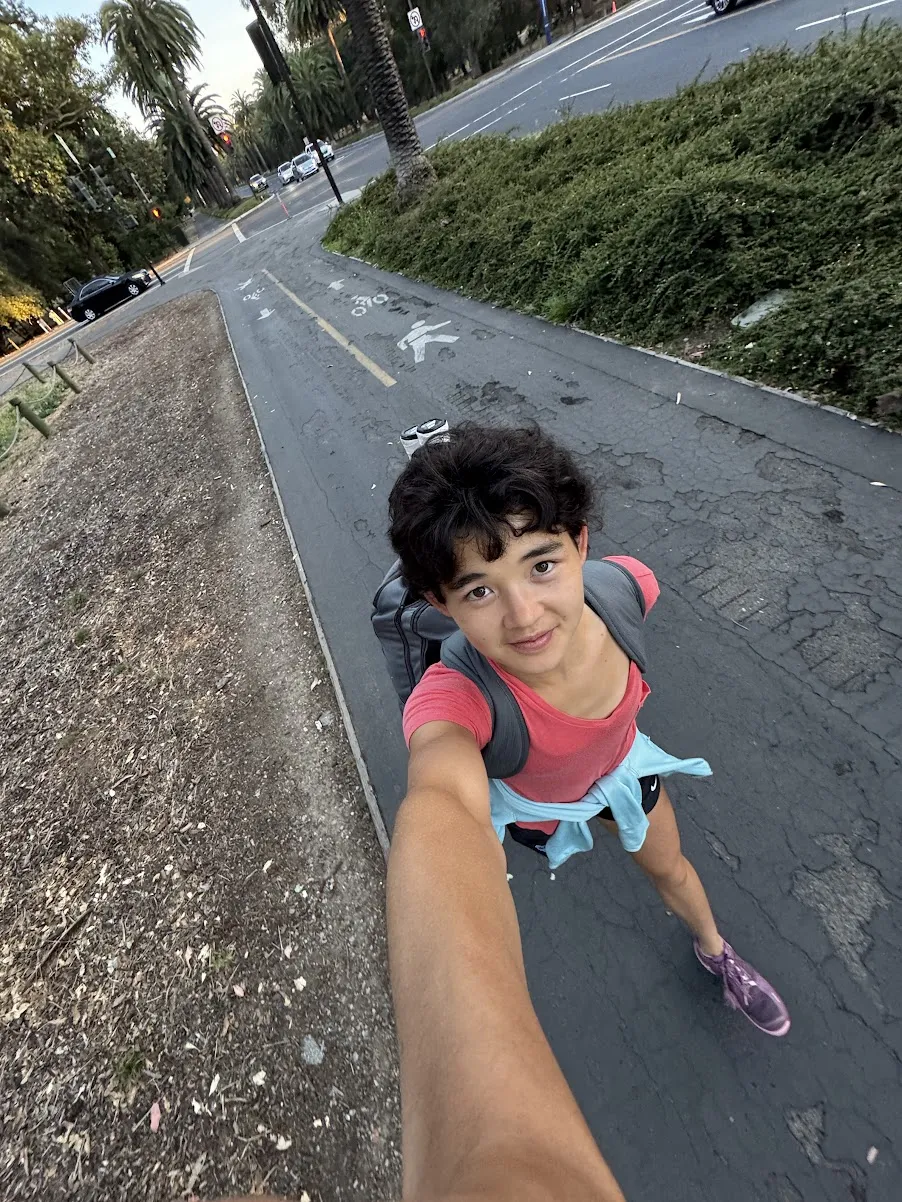
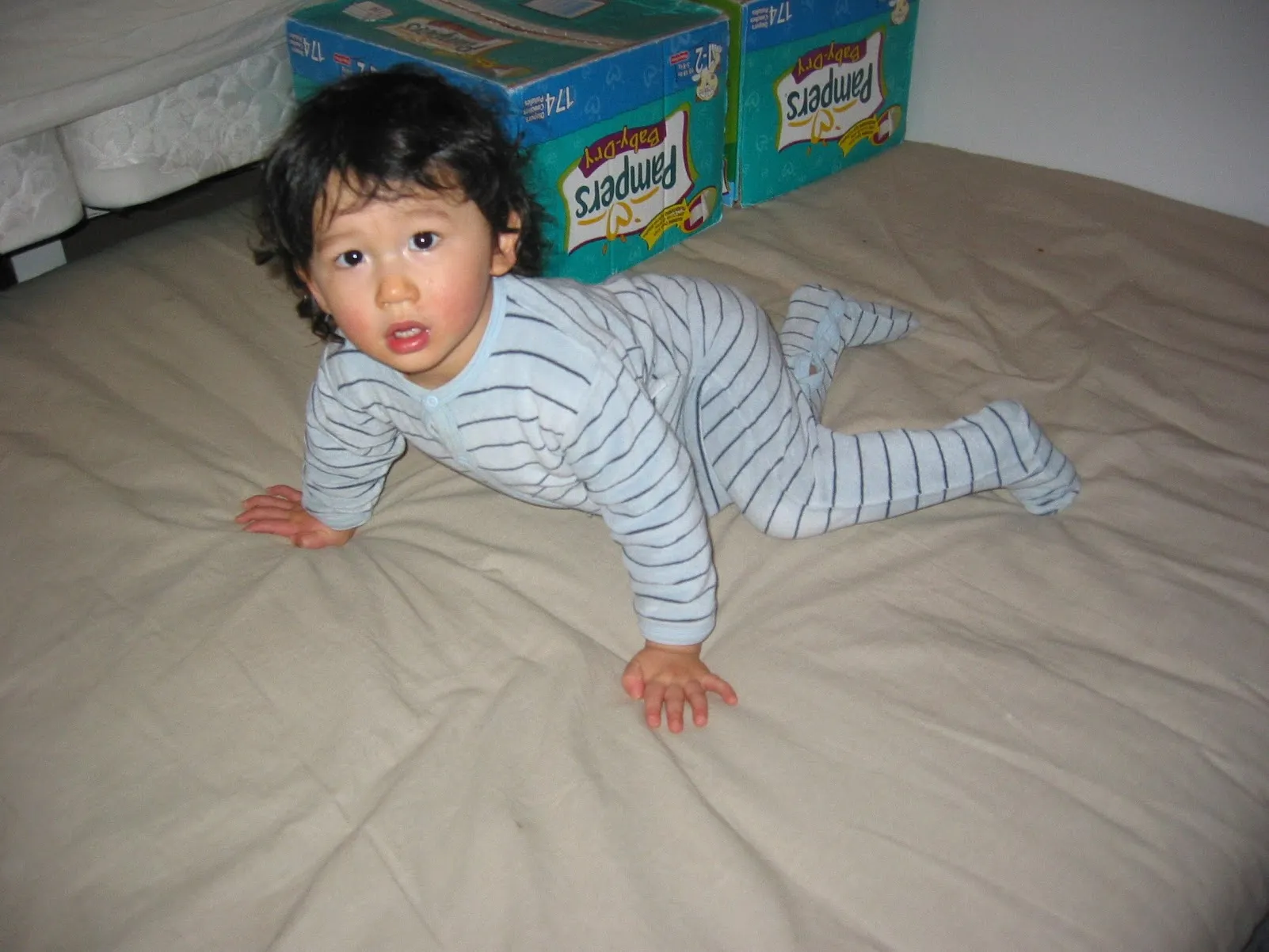
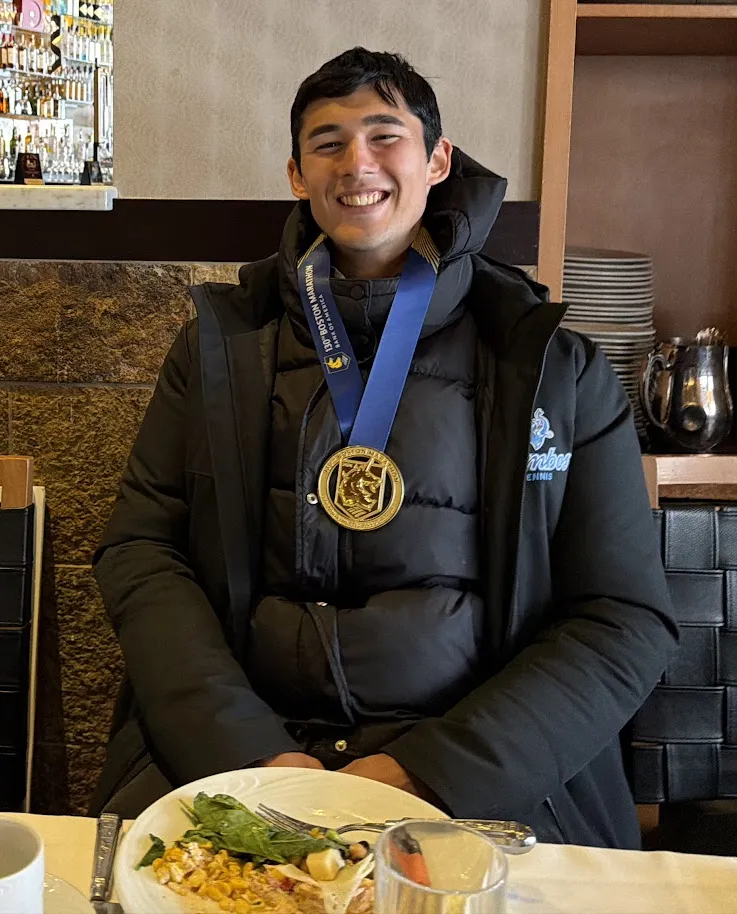
We humans love sticking our often ill-fitting discrete labels onto continuous things. Time ranges get labels like “Wednesday.” Space is carved into “mine” and “yours.” We label “childhood” as if it is really a thing. It’s not. You are a continuous creature, specifically sparked into existence as a single cell, the atoms in your body being replaced every ~10 years, yet you somehow remain the consistent “you”, just “another day older.” Strangely, at some point, you become “adult.” This hasn’t fully happened to me yet. Our recent brothers trips — Mexico City and recently Montreal — let us brothers slip back a bit into childhood and talk through how adulting is going. Thank you Cory for the idea and organizing these special trips! Where to next?
When you leave home, ~93% of your time with your parents is over! (Also thank you Cory for discovering, sharing, and acting on the ideas in the WaitButWhy blog.) It drives me a little bit batty yet also happy that another family now lives at 15 Glengarry, making new childhood memories every day. Even though I was long gone from home, there is a pang — a somber one-way door in your mortality — when you realize you will never again come back home, unlike the incredible variety of creatures like salmon, monarch butterflies, carpenter bees, homing pigeons (which specifically rely on quantum physics to sense earth’s magnetic field!) — see The Long Way Home. The albatross is famous for this too, returning to the very spot it hatched after four years wandering the open ocean; Mom and Baba have gotten to witness this firsthand in Kauai, watching a new baby albatross be born, grow, and eventually fly away on its own. As Jane and I talk about maybe downsizing, I find myself reticent: I want to delay sending that pang to our own kids, as long as I can. Not to mention I need lots of space for all the fun toys from the combination of child Mike’s curiosity and adult Mike’s relative means: gizmos, bikes, tools, tools for tools, 3D printers, computers, cloud chamber.
Let’s remember: that nothingness we all will inevitably return to, the end of our brief defiance of physics, is symmetric, despite time’s apparent forward-only arrow. It’s odd we spend so little time thinking about the before-nothing all of us had. We don’t fear or dread it like we do the after-nothing. Oh how our minds are slaves to time’s direction. Can we fix that asymmetry? Imagine each of the next generation of kids, who will call Mom and Baba their great-grandparents, now existing in their quiet, patient, peaceful before-nothings. There are placeholder nothings in our minds right now for these new humans. Each will be their own unique person, another try at the gene lottery — conceptually they exist, a precise human. They just haven’t been sparked into existence yet, but they will. Those sparks, random though they seem, are coming as specific moments. Can you picture these new humans in your mind’s eye? Their appearance, their names, eye color, quirks? Who will come first? When? Time’s arrow need not be forward only in our minds. Let’s denormalize that.
My childhood was a delight. I won the gene lottery. I have incredible parents and siblings who shaped me so well. Only by writing this over these past four months, iterating on that crafty prompt, did I better comprehend just what my childhood was. I am still a child, and if you think enough about it, you will realize you are too.
Fifty years of marriage is magic. I see now, from the inside, what fuels that magic. Jane and I are “only” at twenty eight years, barely a warmup act by comparison, the end of the beginning. There are indeed many ways to climb the mountain. Mom and Baba found their path, and built ours around those childhood round table dinners.
Happy 50th anniversary!
明天見,我愛你.